
Guide
What's Actually Included in a Garage Door Service Call in Ashburn
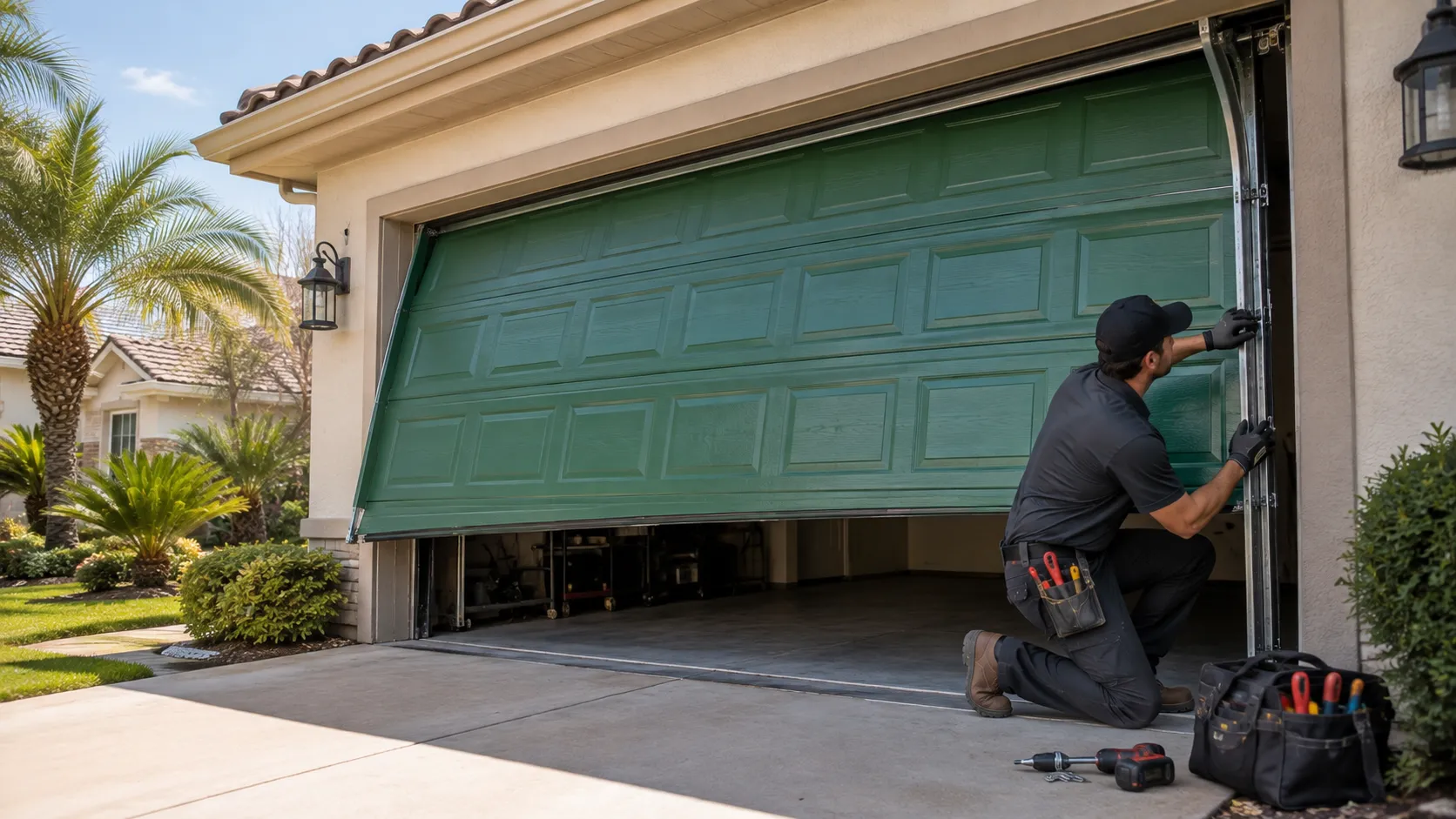
A service call in Ashburn covers the spring, cables, tracks, opener, and sensors, checked against this area's cold winters and mixed-era housing stock.
Local detail
How Local Conditions Play In
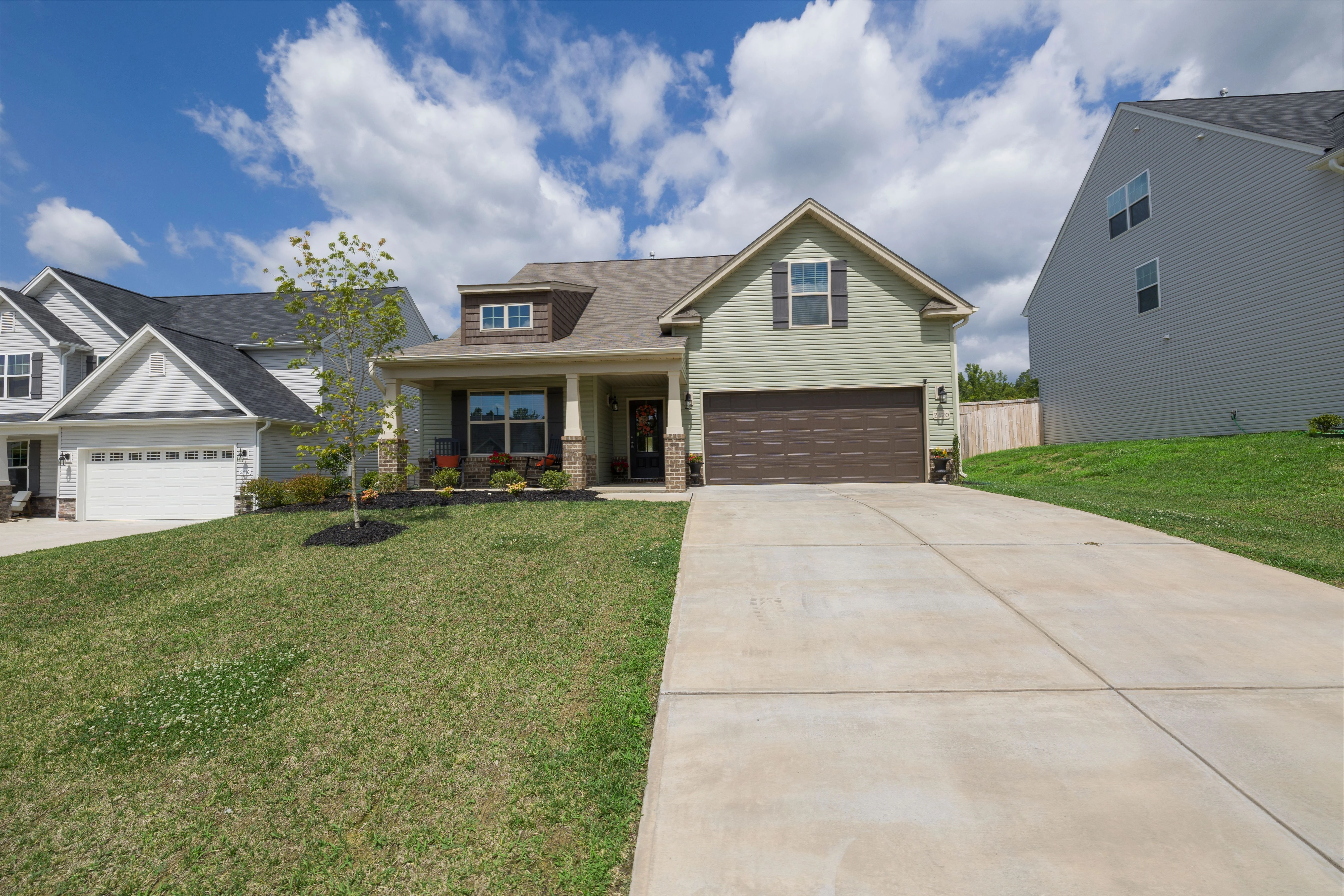
Ashburn sits in a cold-winter climate zone rated severe, and that changes what a technician actually checks when the truck pulls up. Cold-stiffened lubricant on the rollers and hinges is a different problem than a spring that's simply worn out, and steel cable and torsion bar both contract in hard cold, which is why a door that closed fine in October starts binding or reversing in January. The housing stock here spans construction from 1938 to 2015, with a median build year around 1982, so a service call doesn't start from a single assumption about what's behind the panel.
A house near Belmont Country Club, three miles northwest, might still have an original extension spring setup from its build decade, while a newer section has a torsion system with a wall control and a battery backup opener. That range means a real service call has to identify the era of the hardware before touching it - parts, tension specs, and safety sensor placement all differ by decade, and guessing wrong on a torsion spring is how people get hurt.
The area
What Most People Get Wrong
The most common mistake is treating every noise or hesitation as an opener problem, when the opener is often just reacting to something upstream - a spring that's lost tension, a track that's shifted out of square, or a sensor lens fogged from cold-to-warm swings in an unheated garage. The second mistake, especially in a service area where median household income runs around $154,734, is jumping straight to full replacement because it feels like the safer, faster call. Sometimes that's the right move.
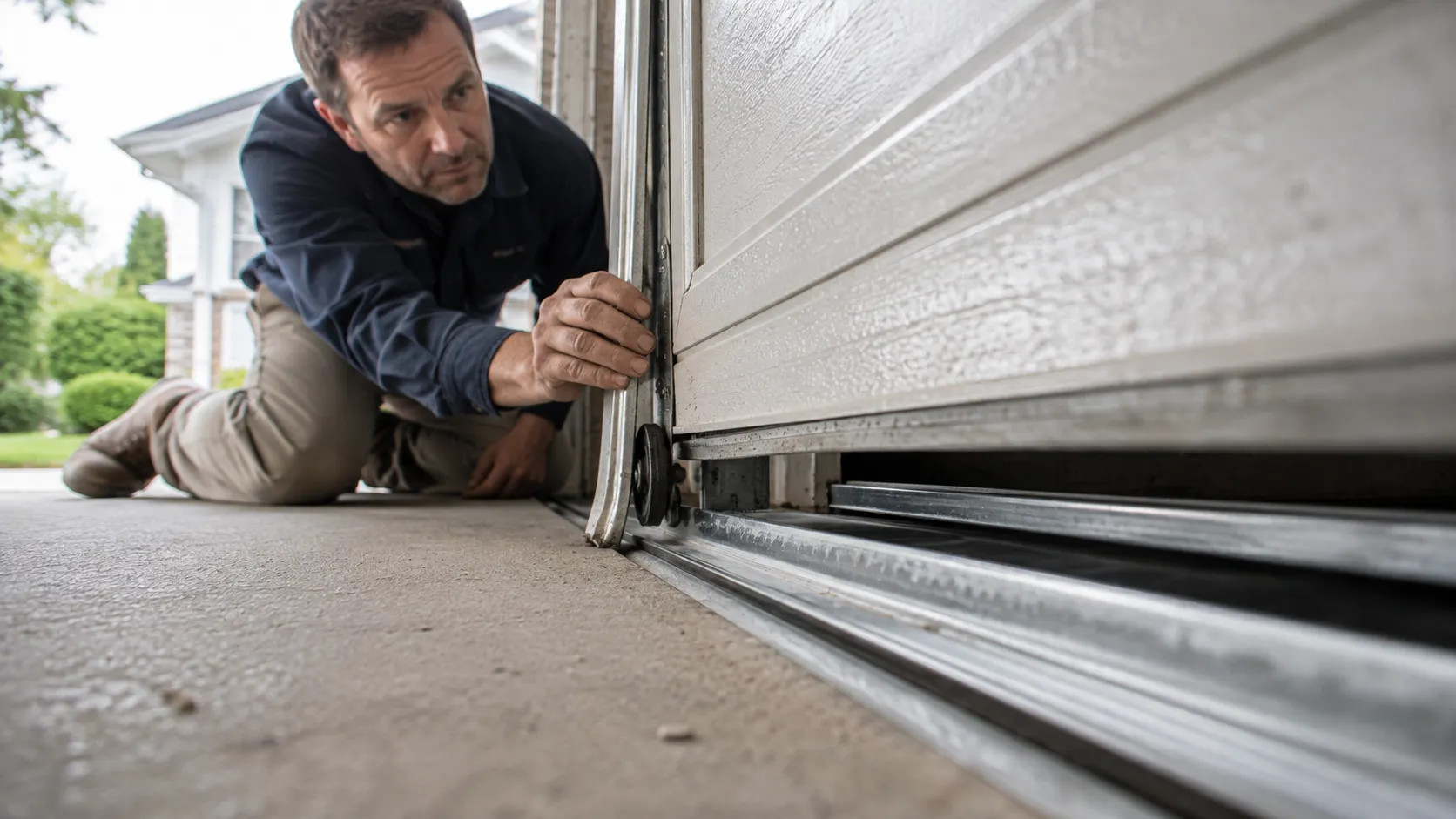
Often it isn't - a cable off its drum or a bent roller on an otherwise sound door from the 1990s or 2000s is a repair, not a teardown. People also assume a service call means someone shows up, looks at the door from six feet away, and quotes a spring. A real one includes checking balance, cable wear, track alignment, hinge and roller condition, and opener force and sensor alignment together, because on a door built decades ago those parts wear as a set, not one at a time.
What we find
What Is Going On
On a standard service call, we're checking the torsion or extension spring for wear and correct tension, both lift cables for fraying at the drum end, the tracks for level and for dents that catch rollers, the rollers and hinges themselves, and the opener's force settings and photo-eye sensor alignment. Given how much of the housing here dates to the 1980s and 90s, with construction running as early as 1938 and as late as 2015, that inspection has to account for hardware that was never designed to talk to modern openers - older extension springs without safety cables, for instance, which is a code and safety issue on its own before anything else is diagnosed.
In the newer sections, out toward Brambleton and South Riding, the more common finds are misaligned sensors after a bump from a car or stroller, or opener logic boards that need a reset rather than a replacement. We don't rebuild openers on-site or repaint doors - if a board is failing or the finish is the issue, that's a separate conversation, not part of a standard service visit.
How we work
When to Get Help
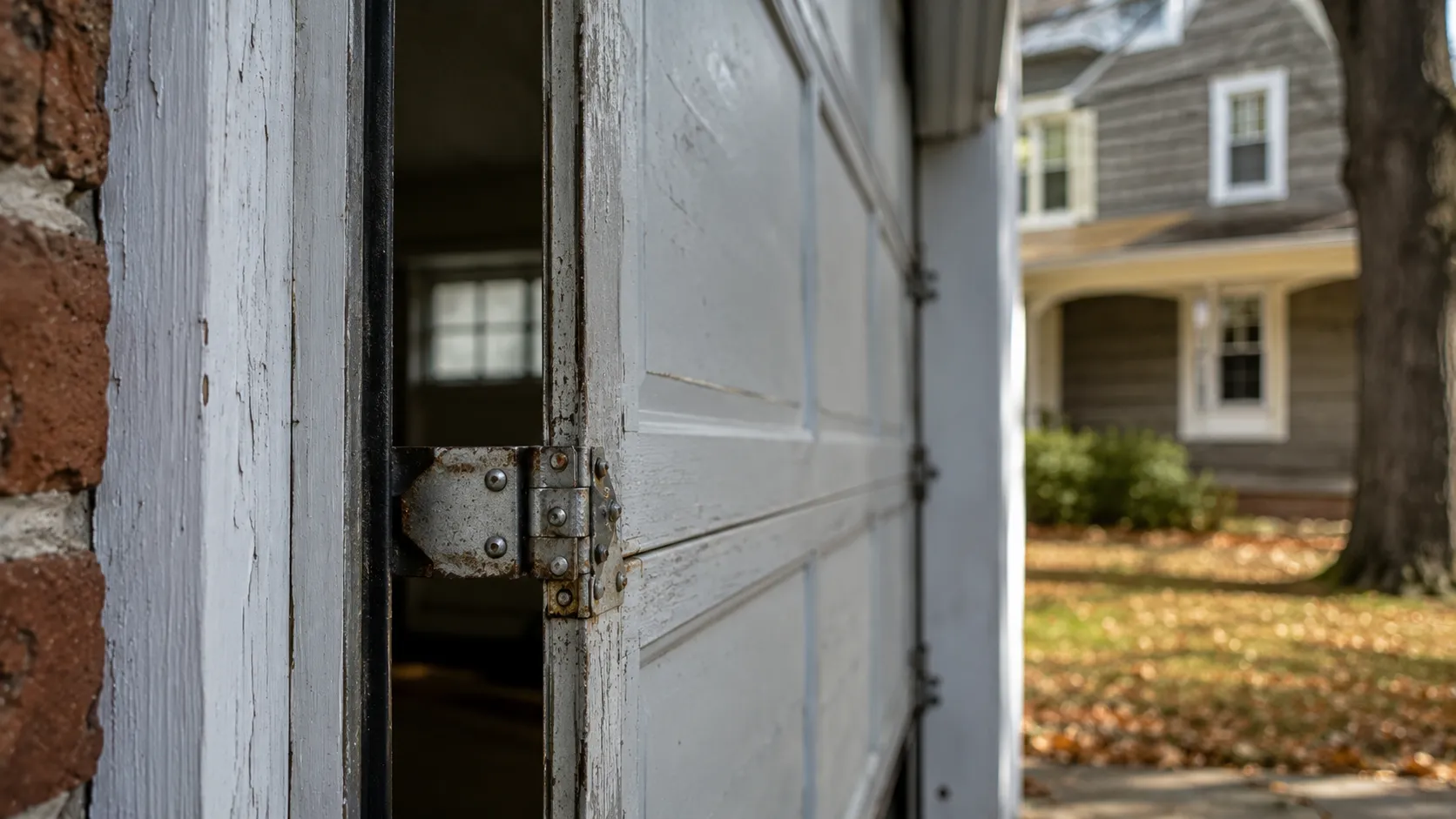
Call before the door fails all the way, not after. A spring that's visibly stretched, a cable with broken strands, a door that slams the last foot instead of settling, or an opener that reverses for no clear reason are all reasons to get someone out rather than wait. Given the cold winters here, a door that's fine in September and starts struggling by December is worth a call even if it seems minor - that's often the spring or cable finally giving out under contracted steel, not a fluke.
If your house falls into the older end of the area's build range, from the 1938 to 1982 median era, and nobody's serviced the spring system in years, that's worth flagging up front so the tech brings the right tension gauge and hardware. We'd rather tell you a repair will hold for now than sell a replacement you don't need yet - and we'll say so plainly if the door's better off replaced instead of patched again.
Questions
Common questions
Does a service call include fixing the spring, or is that separate?
Spring diagnosis and, if needed, replacement is part of a standard service call. What isn't included is a full opener rebuild or repainting a door - those get quoted separately once we know what's actually wrong.
Why does my opener act up more in winter?
Ashburn's winters are cold enough to stiffen lubricant, contract steel cable, and occasionally freeze up sensor lenses or limit switches, so an opener that seemed fine in warm months can start reversing or refusing to close once temperatures drop.
My house was built in the 1990s - does that change what you check?
Yes. Housing in this area runs from 1938 through 2015, and hardware standards changed a lot over that span. A 1990s door often has different spring and cable setups than a 2010s build, so the tech checks the era-specific parts rather than assuming one standard.
Is it ever better to replace than repair?
Sometimes. If the door and hardware are original to an older build and multiple parts are worn together, patching one piece often just delays the next failure. We'll tell you honestly when a full spring system swap makes more sense than another repair.
Ready when you are
Need a garage door sorted in Ashburn?
Ashburn Garage Door Pros repairs and installs garage doors, springs and openers in Ashburn, VA and the surrounding area.