
Guide
Old Garage Doors and Ashburn's Cold Winters
Ashburn homes built 1938-2015, most from the 1980s-90s, often have garage doors with little or no insulation. Here's what that means for cold-weather repairs.
Local detail
How Local Conditions Play In
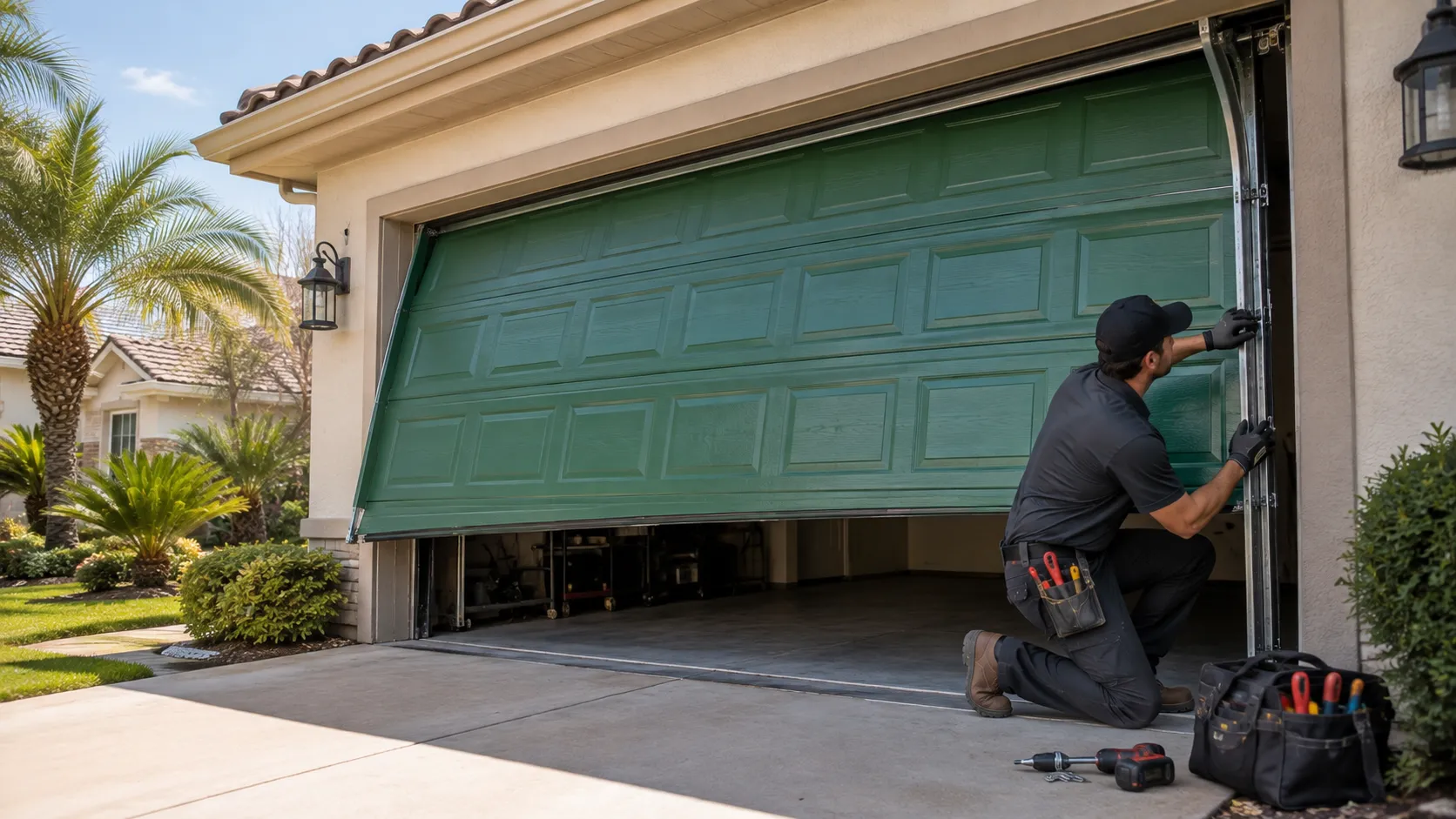
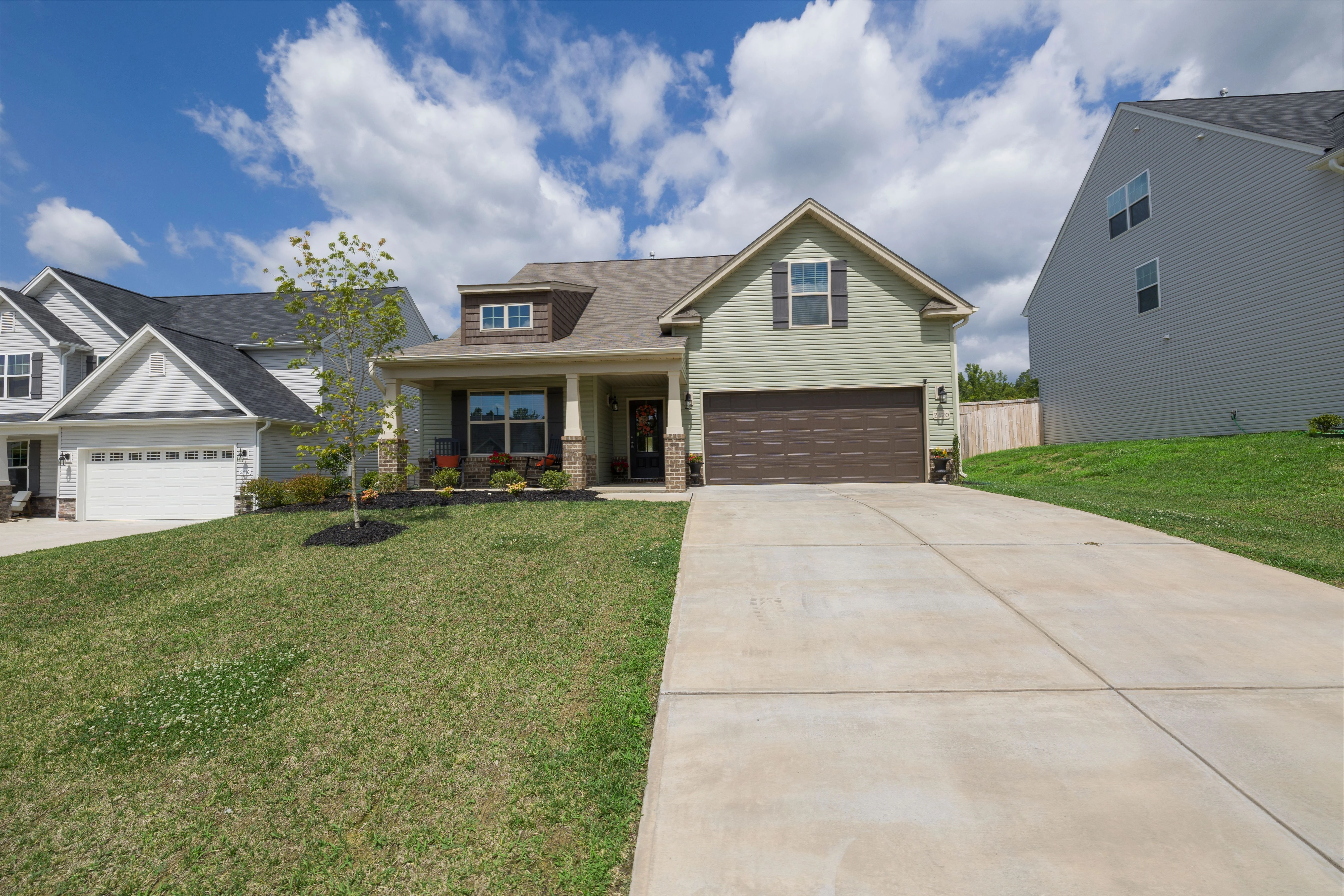
Ashburn sits in a cold-severe climate band, and that matters more for a garage door than most homeowners realize. Housing in the service area was built between 1938 and 2015, with the median home dating to 1982, and most of the stock across the 31 named communities we cover clusters in the 1980s and 90s. That's a problem for garages specifically, because insulation standards for garage doors didn't tighten up until well after those houses were framed. A door installed when the house was built often has a single layer of steel with no foam core at all, or a thin non-structural liner that does almost nothing once the temperature drops.
On a cold night that door is basically a sheet of metal separating your garage from the outside, and if you've got living space above or beside the garage, you feel it. This isn't a defect - it's just what building practice looked like at the time. The issue only shows up as a problem once winter gets serious, which in this region it does.
The area
What Most People Get Wrong
The common mistake is assuming a garage door failing to keep out cold is a repair issue - a bad seal, a gap at the bottom, a track out of alignment. Sometimes it is. But on a door that's original to a house built in the 1980s or earlier, the door itself was never built to hold heat, and no amount of weatherstripping fixes that. People also assume all older doors are the same age; they're not.
A house from 1982 (our local median) and a house from 2010 can sit two streets apart, and the 2010 door is a different animal - probably steel with a real foam core, because insulation expectations had shifted by then. Before you spend money chasing drafts around an old single-layer door, it's worth knowing which decade your door actually came from. We can't tell you that without seeing the door and the panel stamp, but it's the first thing that should get checked, not the last.
What we find
What Is Going On
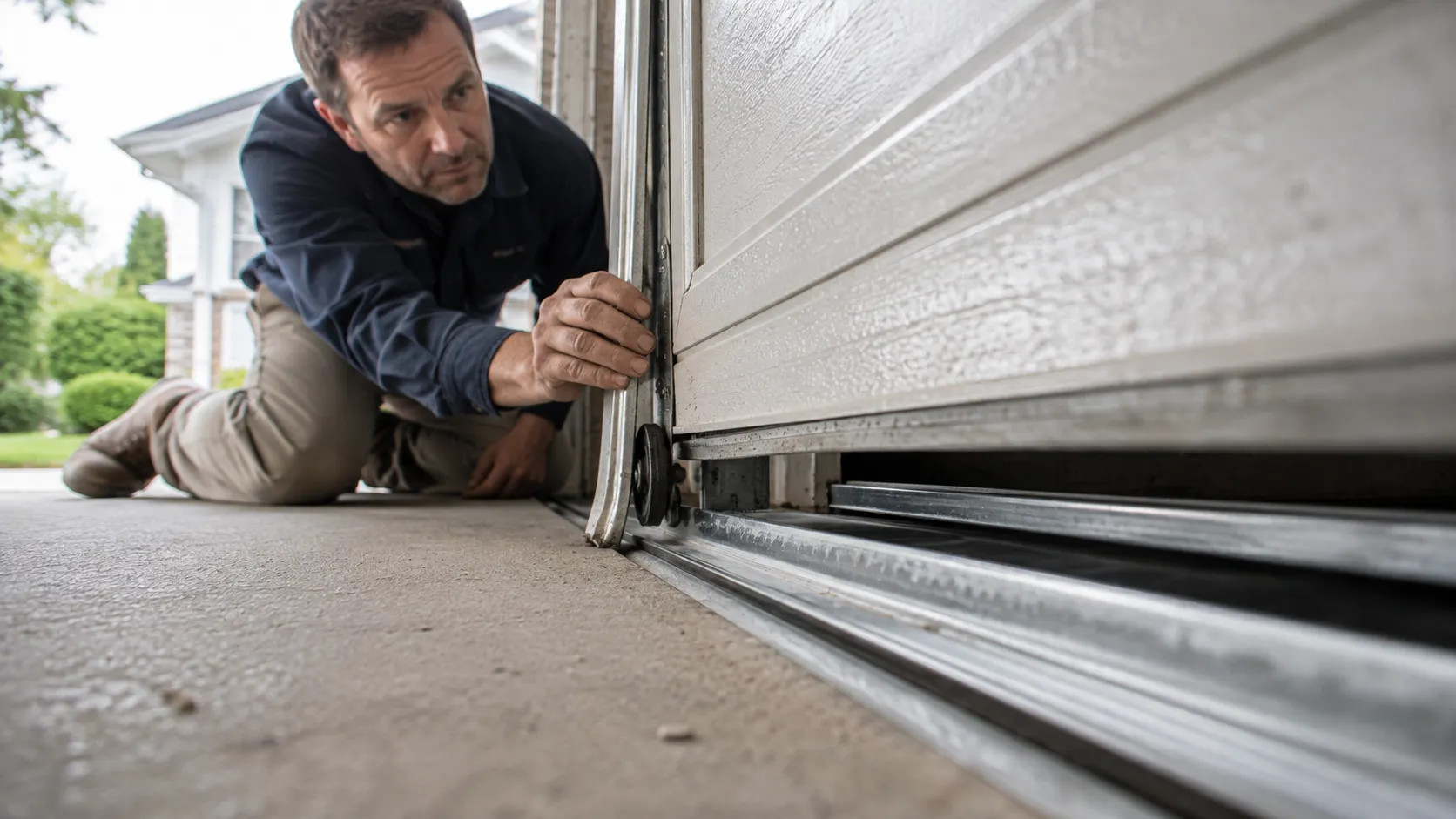
A garage door with no insulation or a thin non-foam liner doesn't just let cold in - it transmits temperature swings straight through the steel, which is why the door itself sometimes feels wet or frosted on a cold Ashburn morning. Over decades that moisture cycle works on hardware too: hinges, rollers, and the bottom seal track corrode or stiffen faster than they would on an insulated, better-sealed door. Given the median build year of 1982 for homes across this area, a lot of doors we look at are original or close to it, and they're carrying forty-plus years of that cycle.
The steel panels themselves usually hold up fine. It's the moving parts and the thin skin that give out first. None of this means the door needs to be torn out - a lot of these problems are addressable without full replacement, and we'll say so when that's the honest answer.
How we work
When to Get Help
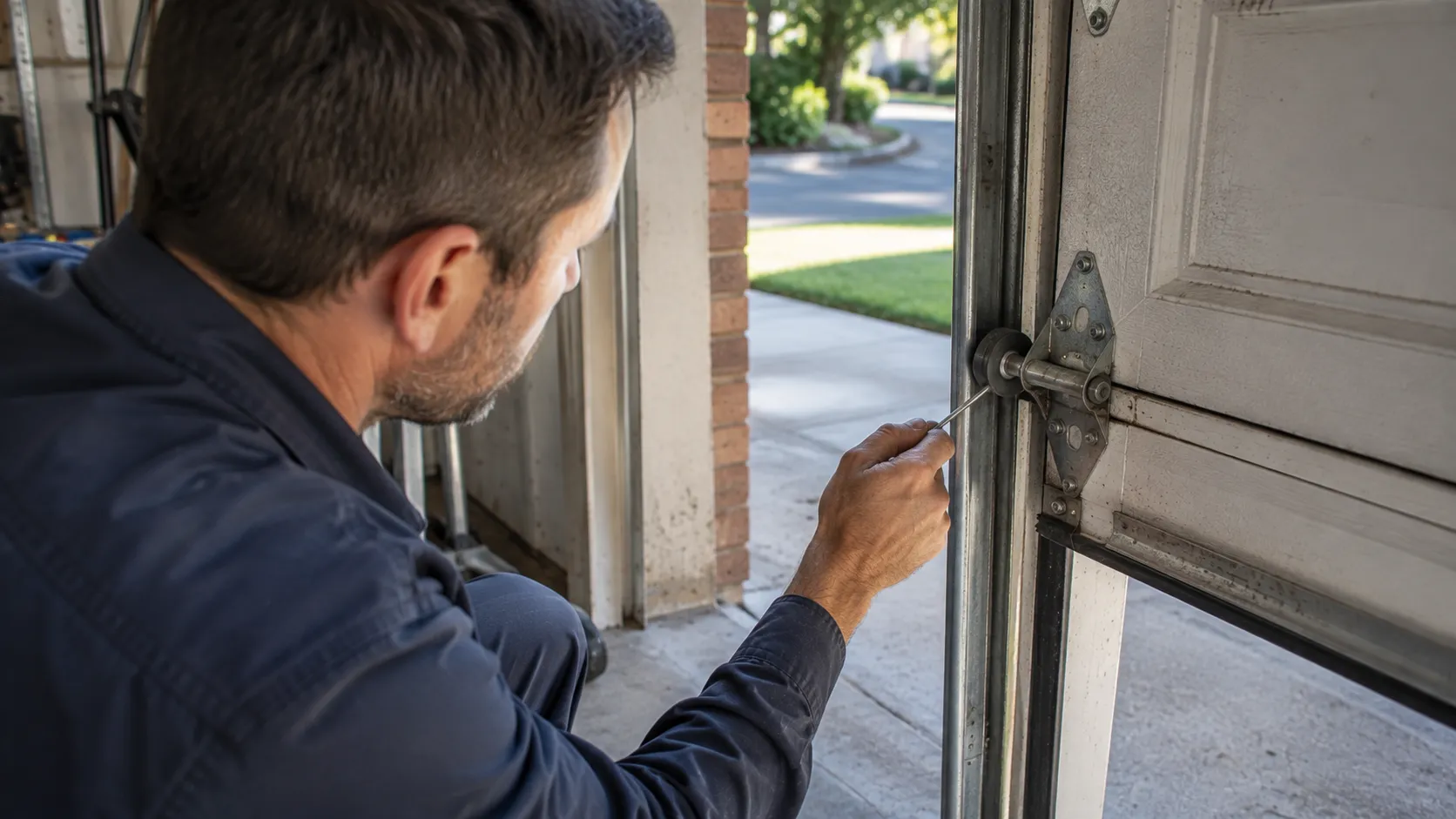
If your garage door dates to the 1980s or 90s stock common across this area and you're feeling real cold coming through it, or seeing frost or moisture on the inside face during winter, that's worth a look before the hardware starts failing too. We can't diagnose insulation and hardware condition over the phone - it takes eyes on the door and the panel edge to tell you what decade of construction you're actually dealing with and what your real options are. One honest limit: if the door is structurally sound and just uninsulated, a full teardown replacement isn't always the right call financially, and we'll tell you when a retrofit or repair makes more sense than starting over.
Questions
Common questions
Why does my garage feel so much colder than the rest of the house in winter?
If your house dates to the common 1980s-90s stock in this area, your garage door was likely built before foam-core insulation was standard. In our cold-severe climate, an uninsulated steel door transmits outside temperature almost directly, which is why an attached garage or a room above it feels the cold fastest.
Can I just add weatherstripping instead of replacing the whole door?
Sometimes. Weatherstripping and bottom seals help with drafts, but they don't add insulation to the panel itself. If the door is structurally sound, a retrofit can be worth it. If the hardware is also failing after decades of use, replacement usually makes more sense - we'll tell you which situation you're in.
How do I know what decade my garage door is from?
The house's build year is a starting point - our service area's median is 1982 - but the door may have been replaced since. We check the panel stamp and construction on site rather than guessing from the house age alone.
Ready when you are
Need a garage door sorted in Ashburn?
Ashburn Garage Door Pros repairs and installs garage doors, springs and openers in Ashburn, VA and the surrounding area.