
Guide
Why Your Garage Door Sounds Different in Ashburn Winters
Ashburn's homes span 1938 to 2015 builds, mostly 1980s-90s stock, and cold winters stress aging springs and cables. Here's what each door noise really means.
Local detail
How Local Conditions Play In
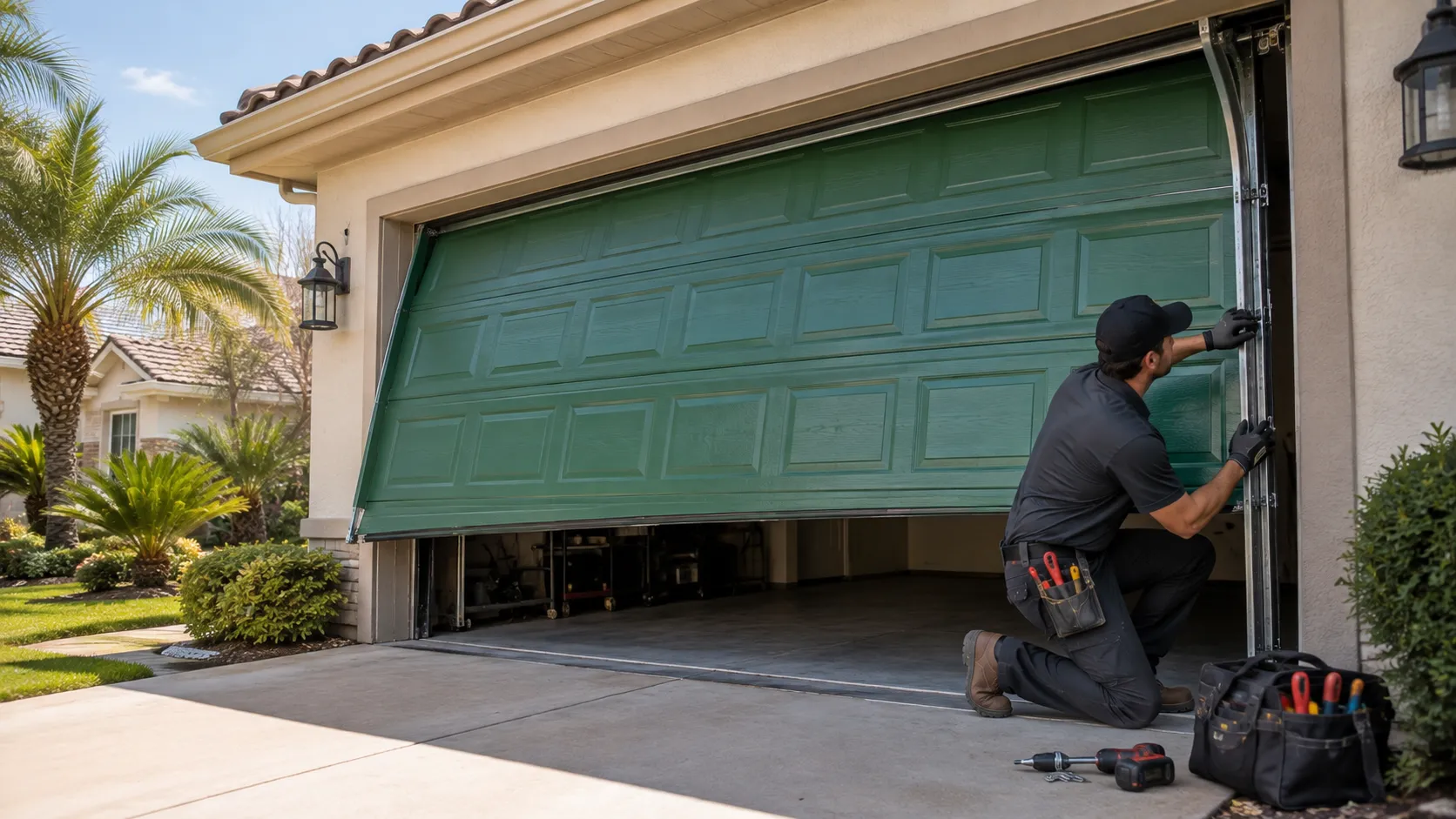
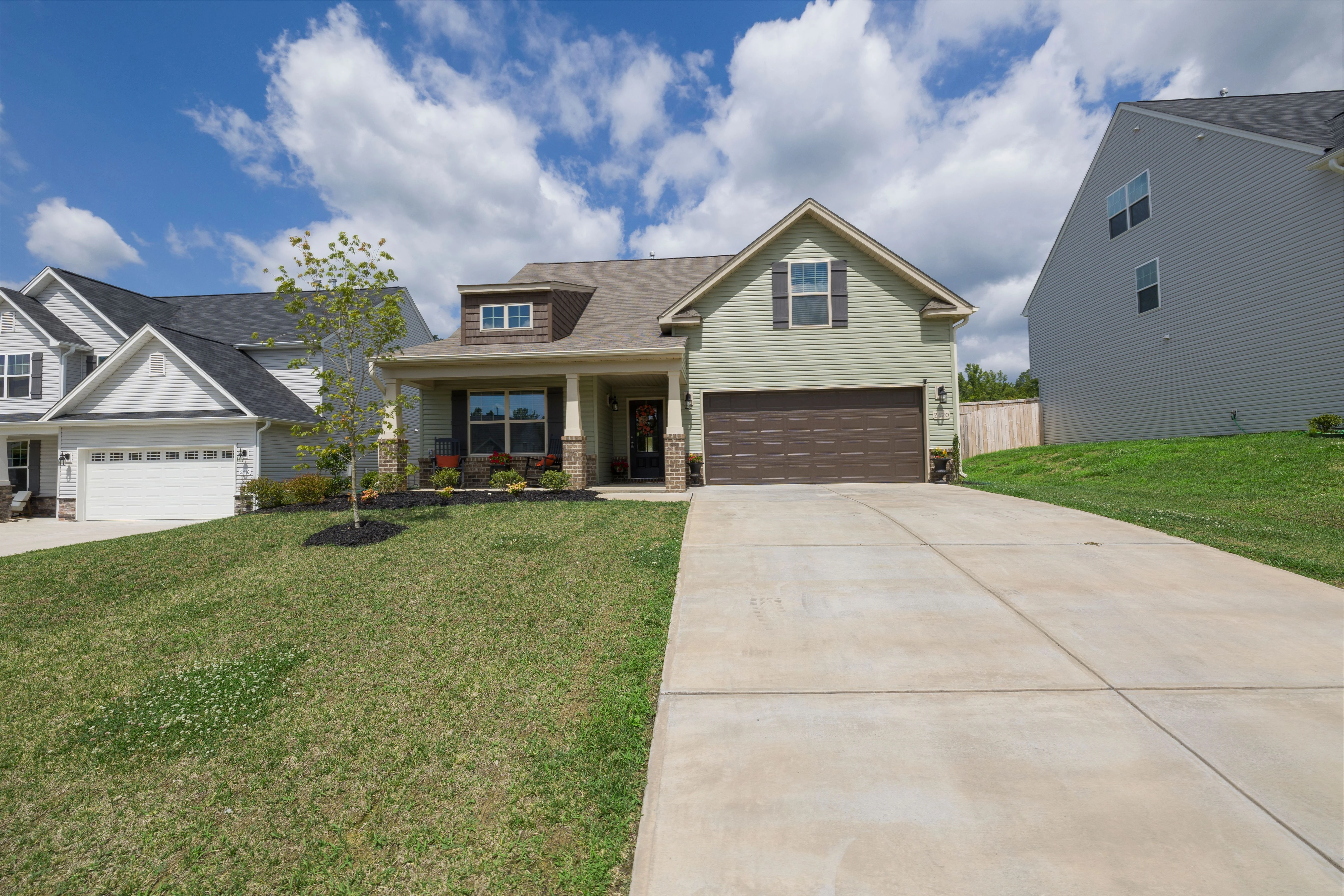
Ashburn's housing stock runs from 1938 to 2015, with the median build year landing at 1982, and most of the doors we service sit in that 1980s-to-90s wave that fills the 31 named communities across this service area, from Brambleton to Belmont Country Club. That means a lot of original torsion hardware is now thirty to forty years old - older than the "it'll be fine" spring most owners assume they have.
This area sits in a cold-severe climate band, and that's not just a line on a chart. Steel contracts in a hard freeze, and a torsion spring already fatigued from decades of cycles gets stiffer and less forgiving right when the temperature drops. Nylon rollers crack instead of flexing. Lubricant that was fine in October turns gummy in January and makes the opener work harder to pull a door that should move on its own weight. None of this is unique to any one street. It's what happens to aging steel and aging grease in this climate, on doors installed when the neighborhood around it was still being built.
The area
What Most People Get Wrong
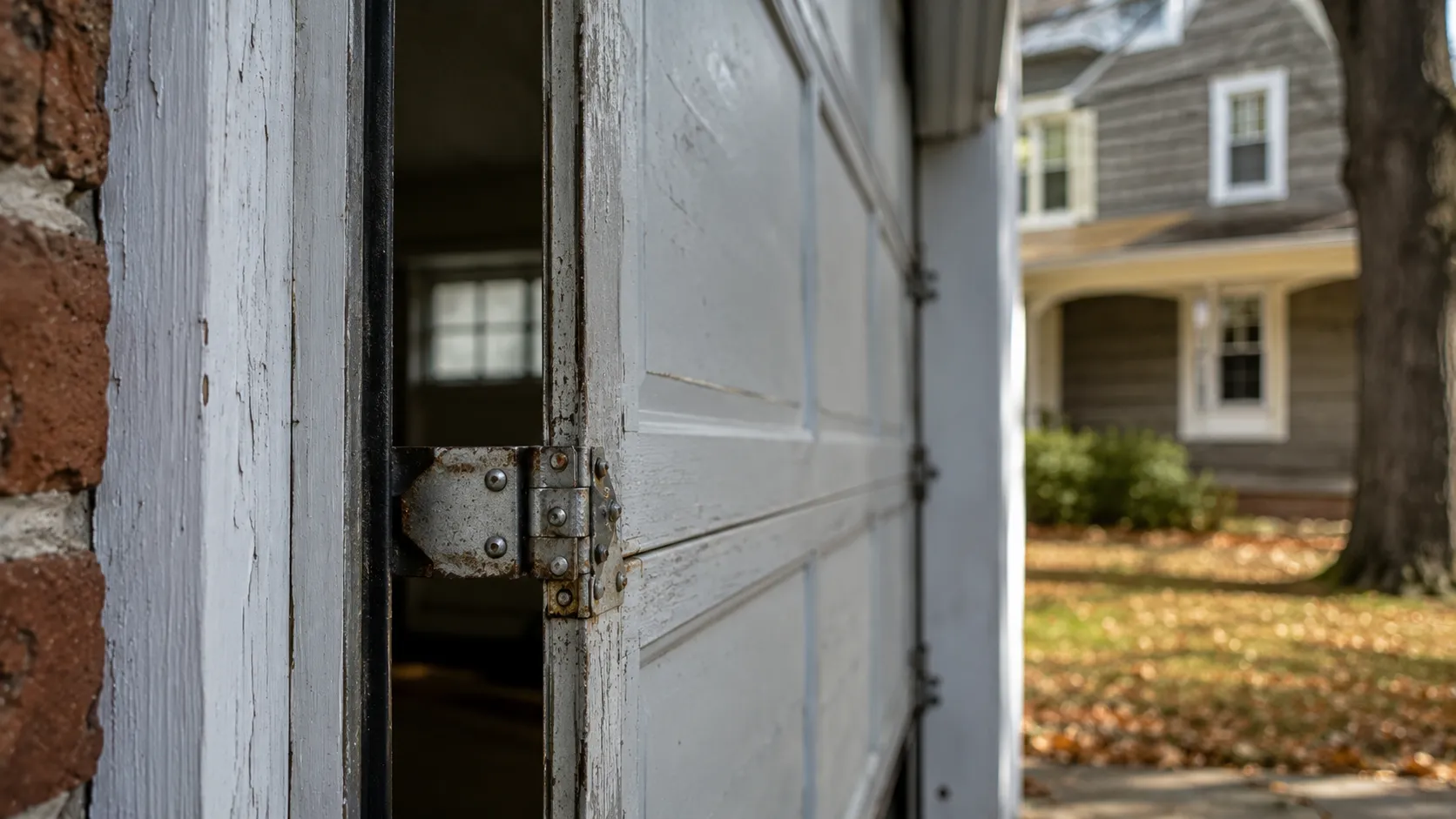
The most common thing we hear is "it's always made that noise." Maybe. But a door installed anywhere in that 1938-to-2015 build window, especially the 1980s-90s wave that's most common here, has had three or four decades of cycles on the same spring and the same rollers. A noise that's been there for years isn't proof it's harmless. It's often proof the part is near the end of its life, not settling into some new normal.
The second mistake is spraying a general-purpose solvent on everything and calling it lubrication. On a track or hinge in a cold-severe climate, a solvent washes out fast and can leave metal drier than before. It quiets a sound for a week and lets the real problem - a bearing going bad, a cable fraying at the drum - keep working underneath. On original hardware from a house built decades ago, that's exactly the wrong moment to mask a symptom instead of reading it.
What we find
What Is Going On
Different noises point to different parts, and on the housing stock common here, the pattern holds up.
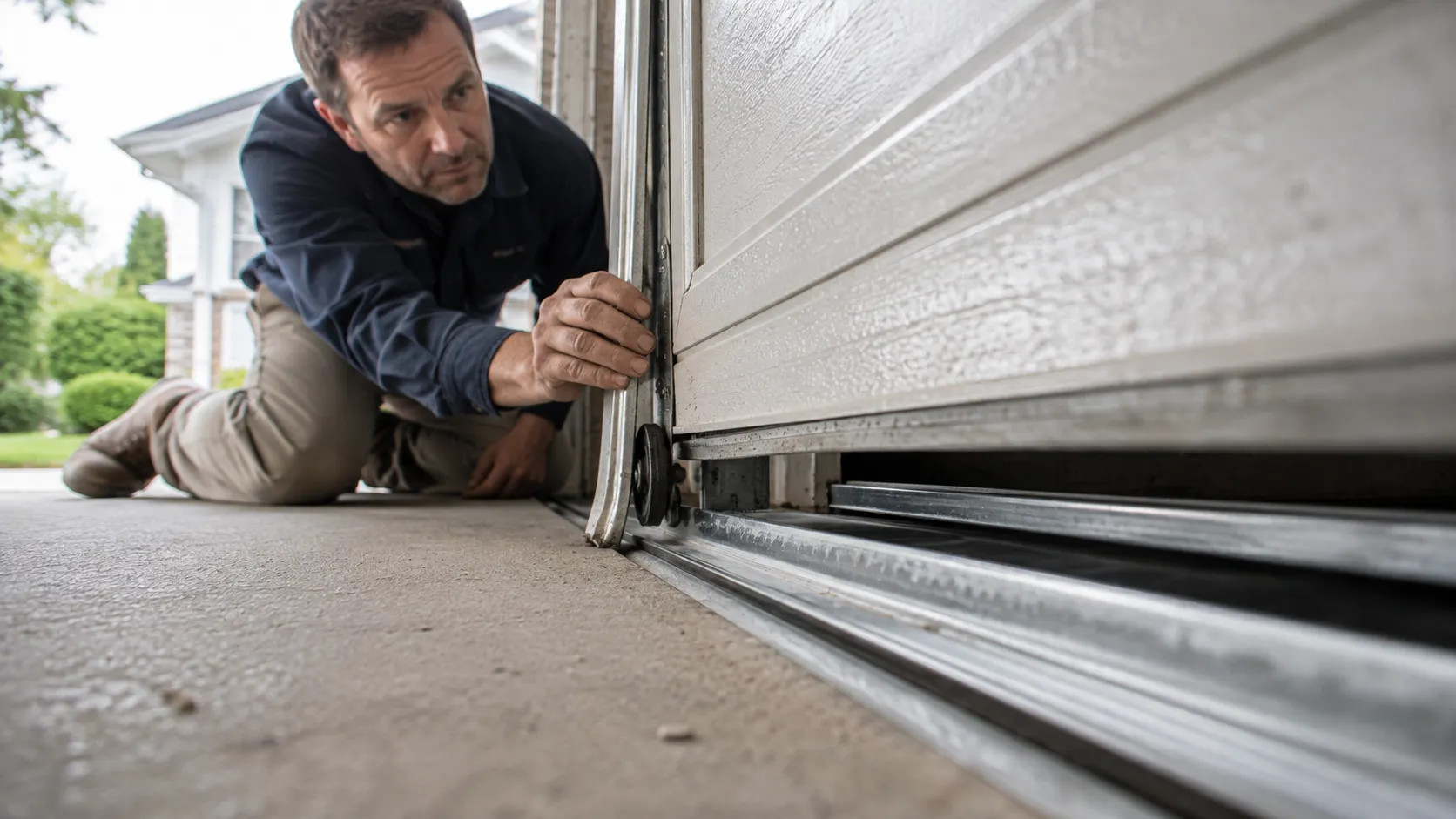
A rhythmic thump or thud as the door travels usually means a flat spot on a roller - common on the steel rollers that came standard on doors built in that 1980s-90s stretch. A sharp bang, especially with the door stuck partway up or down, is almost always a broken torsion spring; those springs carry a rated cycle count that most doors in this service area have long since burned through.
A grinding or scraping sound tends to be a roller or bearing losing its coating, and it gets worse in a cold-severe winter when metal-on-metal contact isn't buffered by grease that's stiffened up. A popping or clicking near the top of the door often means a cable strand fraying against the drum - not an emergency yet, but not a noise to file away either.
A low hum with no movement usually means the opener's motor is working against resistance it shouldn't have, which circles back to springs that have already lost tension. None of these are cosmetic. They're mechanical parts telling you, in the only language they have, that they're near the end of a service life that started somewhere in that 1938-to-2015 build window.
How we work
When to Get Help
Call before the door fails all the way, not after. A spring that bangs but still lifts the door is a same-week job. A spring that's already snapped means the door won't move safely at all, and forcing an opener to lift it anyway can burn out the motor - a second repair stacked on the first.
Here's the honest part: we don't stock every part for every era of door. A house from the earlier end of that 1938 build range can have hardware nobody makes new anymore, and matching it sometimes takes longer than a same-day fix on a door from the 1990s wave that's more common across this area. If your springs, track, and drums are all original and all thirty-plus years old, replacing the whole spring set at once is usually cheaper in the long run than paying for one emergency call after another on parts that are all wearing out on the same timeline anyway.
If you're not sure whether a noise is normal wear or a warning, describe it when you call - where it happens in the door's travel, and whether it's gotten louder over the past few weeks.
Questions
Common questions
Why did my garage door suddenly bang and then refuse to move?
That's almost always a torsion spring letting go, not the opener. The spring carries the weight of the door, and once it snaps the opener isn't built to lift that weight alone. Don't keep pressing the button - that strains the motor. Given how much of the housing stock here dates to the 1980s and 90s, a lot of these springs are simply at the end of their rated life.
Is it normal for an older door to get noisier in cold weather?
Some increase is expected in a cold-severe climate - grease stiffens and metal contracts. But a real jump in volume, or a new sound that wasn't there last winter, usually means a part is failing, not just reacting to temperature. On a door built decades ago, cold weather often just exposes wear that was already there.
Can I just lubricate the noise away myself?
Sometimes, if it's dry hinges or a track that needs proper garage-door grease rather than a general solvent. But if the noise is a bang, a grind, or a hum with no movement, lubricant won't fix a broken spring, a worn bearing, or a frayed cable - it just delays finding out which one it is.
Ready when you are
Need a garage door sorted in Ashburn?
Ashburn Garage Door Pros repairs and installs garage doors, springs and openers in Ashburn, VA and the surrounding area.