
Guide
Why Ashburn Garage Doors Let in Cold Air and Draughts
Ashburn homes built mostly in the 1980s and 90s hit a cold winter climate hard through worn garage door seals. Here's what actually causes the draught and when to fix it.
Local detail
How Local Conditions Play In
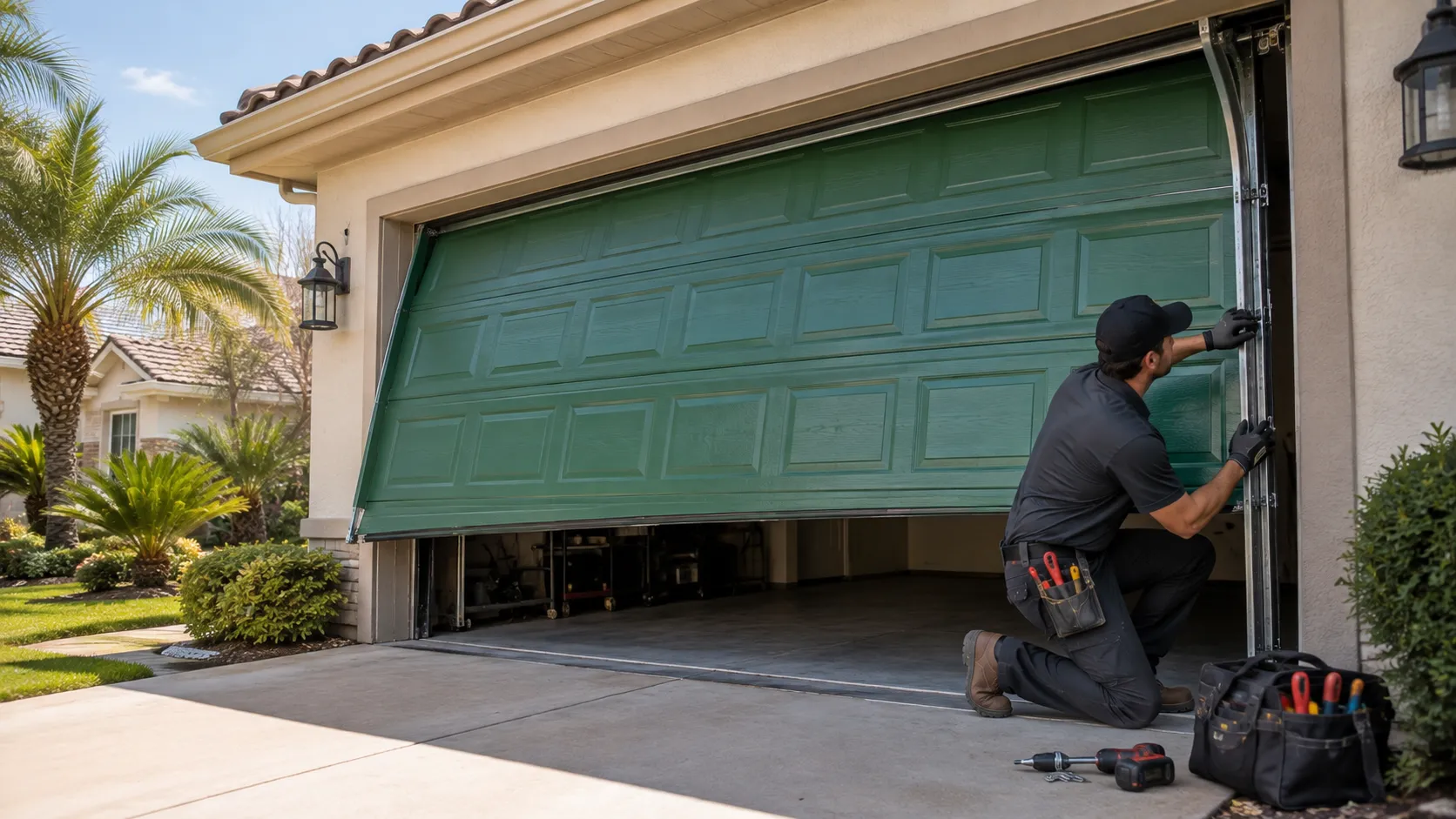
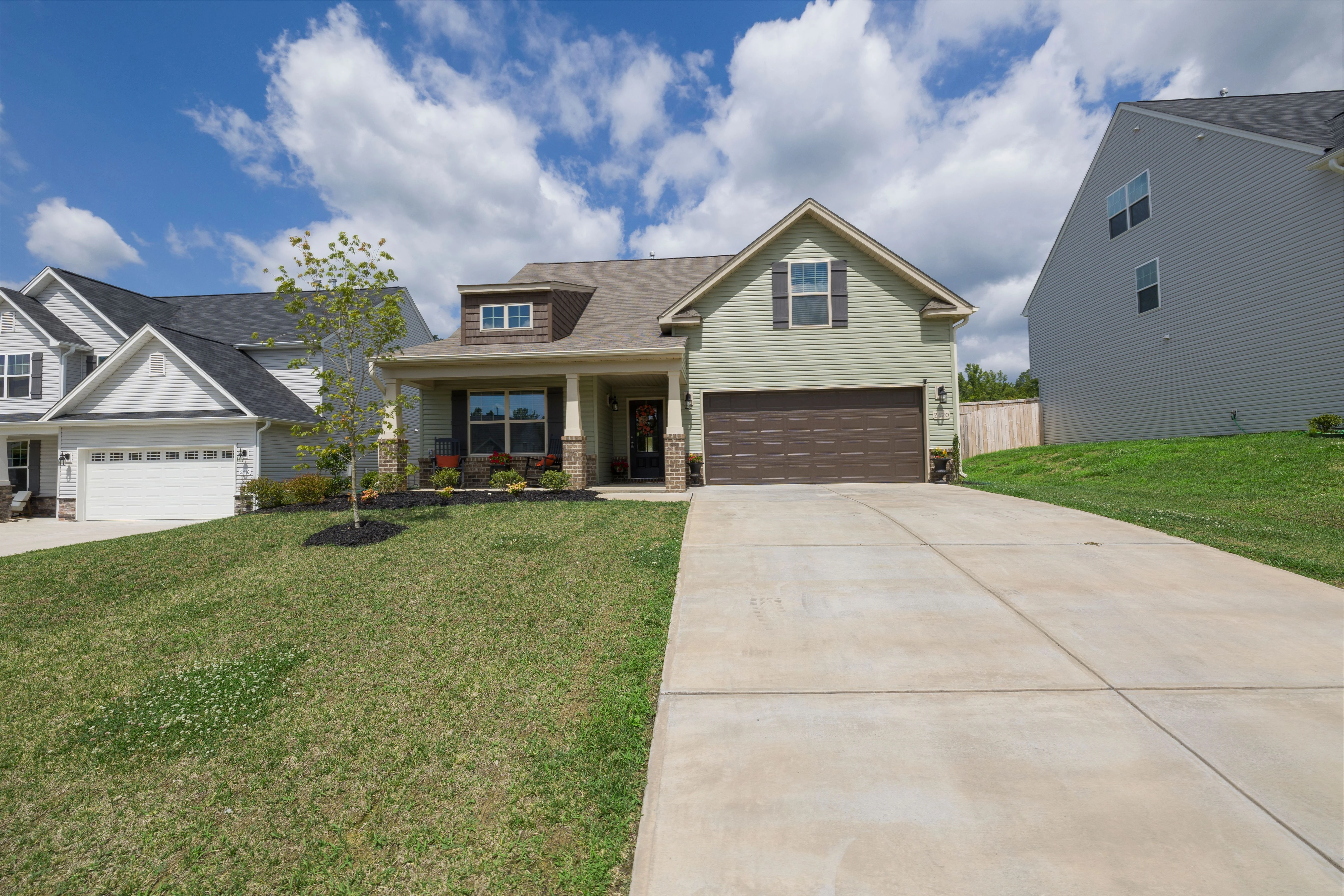
Ashburn sits in a cold-severe climate band, which means the garage door on your house is doing more work than the label on the box suggests. Repeated freeze-thaw cycles through the winter shrink and harden the rubber seal at the bottom of the door and along the sides faster than in a mild climate. Add to that a housing stock here built between 1938 and 2015 with a median build year around 1982, and most of what we're called out for is a door installed with hardware and weatherstripping standards that were normal thirty or forty years ago but don't hold up to what a severe winter does over decades.
Out toward Belmont Country Club, just 3 miles NNW, and across the other pockets of 1980s and 90s construction that make up most of this service area, the pattern repeats: seals that were fine ten winters ago are cracked and pulling away from the track now. That's not a defect in any one door. It's what cold-severe weather does to rubber and vinyl over that kind of timespan, and it's why a draught complaint in January is rarely a one-off.
The area
What Most People Get Wrong
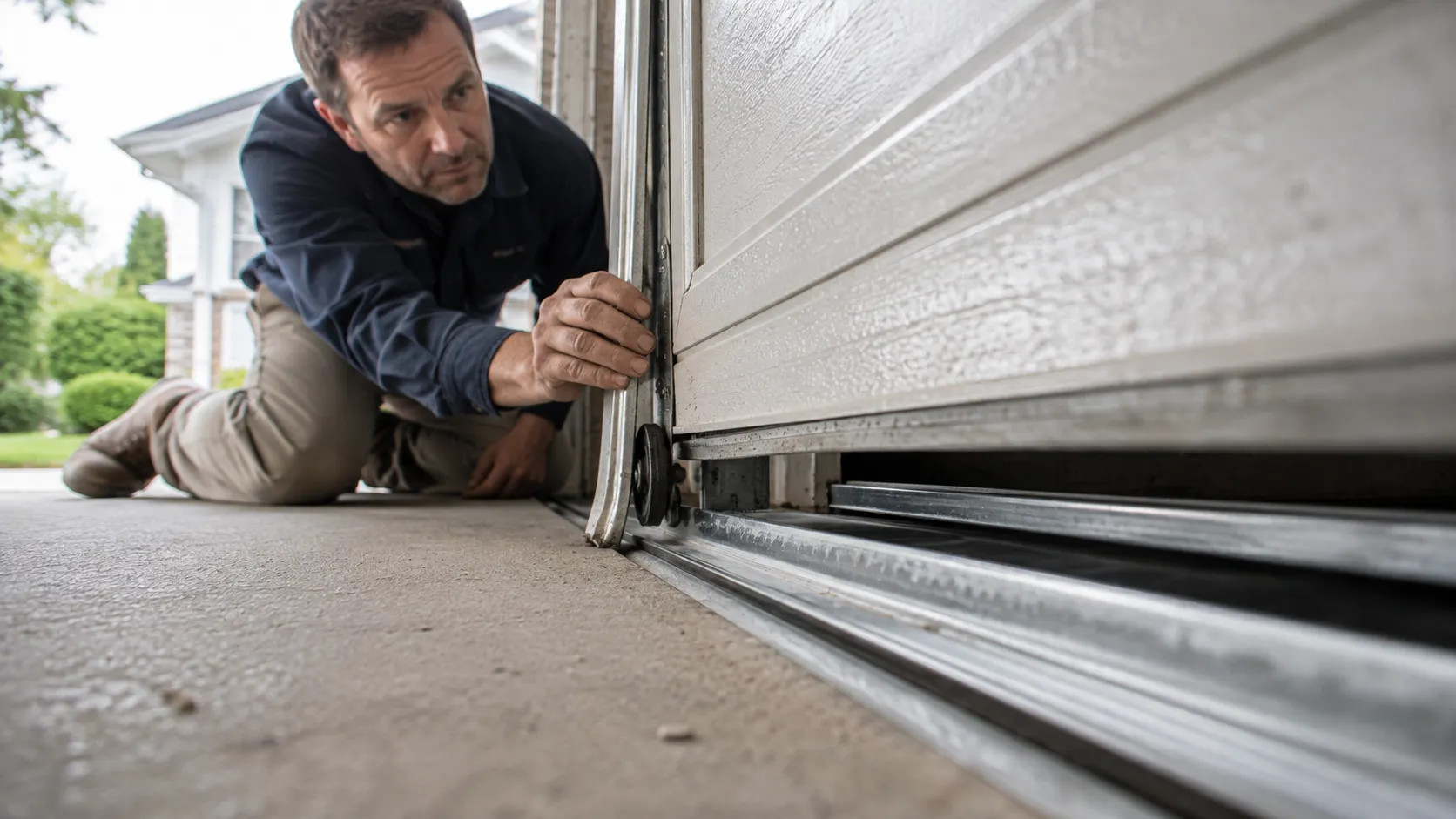
The common mistake is blaming the opener or the springs when the actual problem is a strip of perished seal doing nothing to stop air movement. A door can run smooth on the track and still leak cold air at the bottom corners or where the panels meet, and homeowners often chase the wrong fix first because the door still opens and closes fine. In a house from the 1980s or 90s stock that makes up most of this area, the original bottom astragal and side seals are well past the point where they flex back into shape; they've gone stiff, and stiff rubber doesn't seal a gap, it just sits in it.
The other mistake is assuming a new seal solves everything when the track alignment or the panel gap itself has widened with age. Median household income here runs well above the national figure, which is part of why full replacement gets chosen more often than in other markets, but for a lot of these doors a seal and weatherstrip job is the right call and a full swap isn't needed yet.
What we find
What Is Going On
On a door built or installed in the era that dominates this area's housing, the seal channel itself has usually shifted slightly out of true after decades of freeze-thaw expansion in the framing around the opening. That's a structural detail as much as a rubber one. Cold-severe climates move wood and shim material more than people expect, so even a seal replaced a few years ago can sit slightly off if the channel underneath has racked.
What you feel as a draught along one side but not the other is often exactly this: uneven channel wear rather than uneven wear on the seal. Across the roughly 52,770 owner-occupied houses in this service area, the doors showing this pattern cluster in the same age bands as the general housing stock, built in the decades before current sealing standards existed. It's a slow problem, not a sudden one, which is why it tends to get noticed only once the cold really sets in and the gap becomes obvious rather than felt.
How we work
When to Get Help
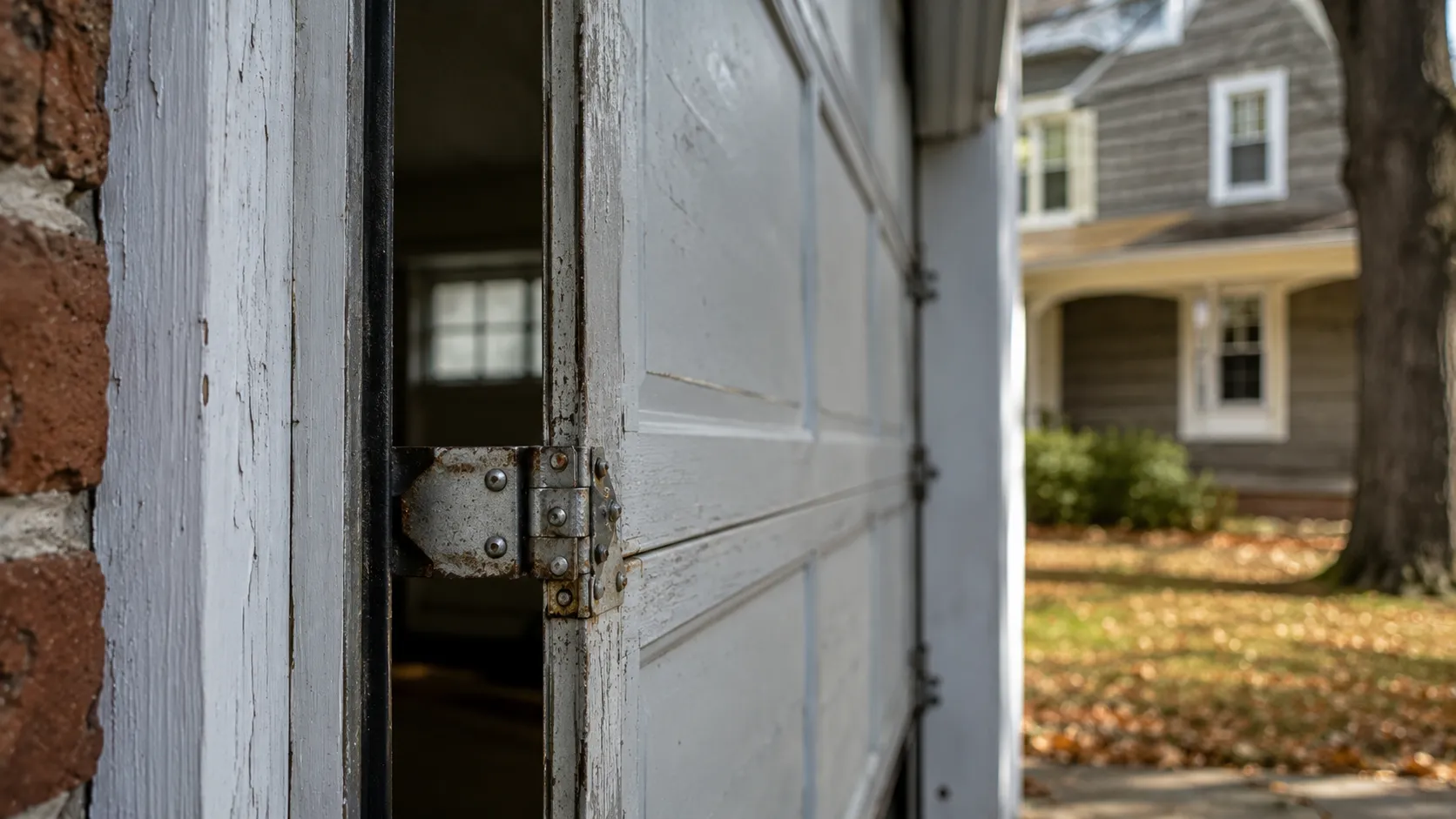
If the draught is limited to the bottom seal and the door still runs true on the track, that's a seal and astragal swap, not a door replacement, and it's worth getting that quote before agreeing to anything bigger. If the gap is uneven across the width of the door or you can see daylight at more than one edge, the channel or the frame behind it likely needs a look, not just new rubber. We don't do the framing carpentry itself if the opening has shifted structurally - that's a call for whoever handles the surrounding wall work, and we'll say so rather than push a seal job that won't hold.
For a house built in the stock that's typical here, a seal replacement is usually a same-visit job. If the door is original to a house from the earlier end of that 1938 to 2015 build range, it's worth asking whether the door itself, not just the seal, is due.
Questions
Common questions
Why does my garage door only draught on one side?
Usually the seal channel underneath has shifted slightly with age, which is common in houses from the 1980s and 90s stock typical of this area. Cold-severe winters move framing over the decades more than people expect, so one side wears unevenly. A new seal helps, but if the gap is clearly uneven, the channel is worth checking too.
Is a new seal enough or do I need a new door?
For most doors from the housing stock common in this area, a seal and astragal replacement solves the draught. Full replacement makes sense when the panels themselves are warped, the track is bent, or the door is at the older end of the 1938 to 2015 build range and showing other wear beyond the seal.
Why does the draught get worse every winter?
Rubber and vinyl seals harden and shrink with repeated freeze-thaw cycles, and this area sits in a cold-severe climate band. A seal that sealed fine two winters ago can be too stiff to flex into the gap this year. It's cumulative wear, not a sudden failure.
Ready when you are
Need a garage door sorted in Ashburn?
Ashburn Garage Door Pros repairs and installs garage doors, springs and openers in Ashburn, VA and the surrounding area.