
1985 track section straightening
On a 1985-era door that's never had track work, that section often needs straightening or replacing along with the roller, not just a part swap. The other complication is matching hardware.
Great Falls, Ashburn
Great Falls homes run newer than the rest of Ashburn Garage Door Pros' service area - 1985 median build year - which changes what rollers wear out and why. We travel 9 miles to fix it.
Local causes
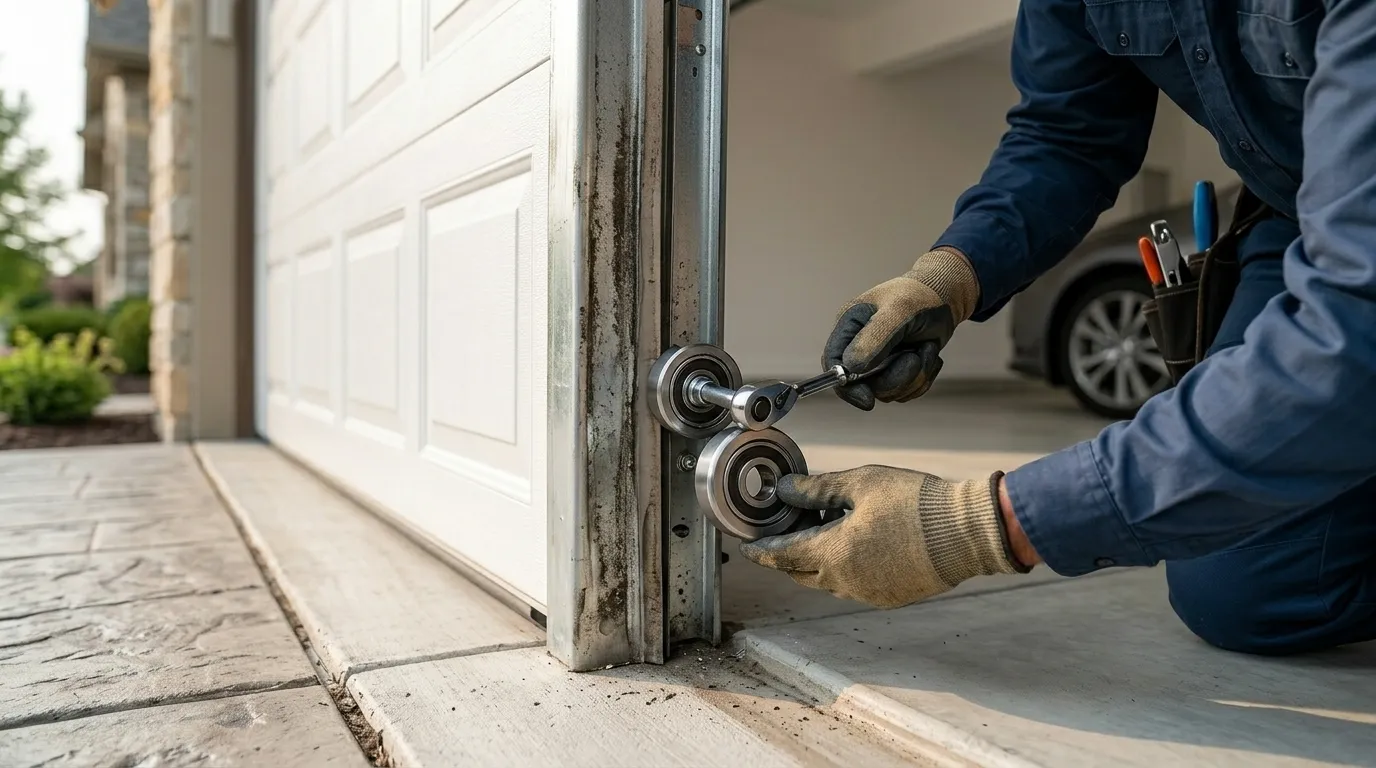
Great Falls sits about 9 miles out from our shop, and the housing stock here skews newer than a lot of what we cover - median build year of 1985, against a service-area median closer to 1982. That gap matters more than it sounds like it should. A door installed in the mid-80s usually came with steel rollers on a nylon or delrin sleeve, and thirty-plus years of seasonal cycling wears the sleeve down long before the steel core gives out. You get a door that still opens but sounds like it's dragging gravel through the track.
The broader region we work in sits in a cold-severe climate band, and Great Falls gets the same winters as anywhere else on our route - temperature swings that shrink and swell the nylon on cheaper rollers faster than steel ones. If your door was original to a mid-80s build and never upgraded, this is usually the first hardware to fail, well before the springs or the opener.
With household income here running well above the service-area median - north of $250,000 - we also see more owners who upgraded to sealed-bearing rollers early, which last longer but aren't immune to a bent track or a roller that's simply worn its bearing race out from age rather than abuse.
Watch-outs
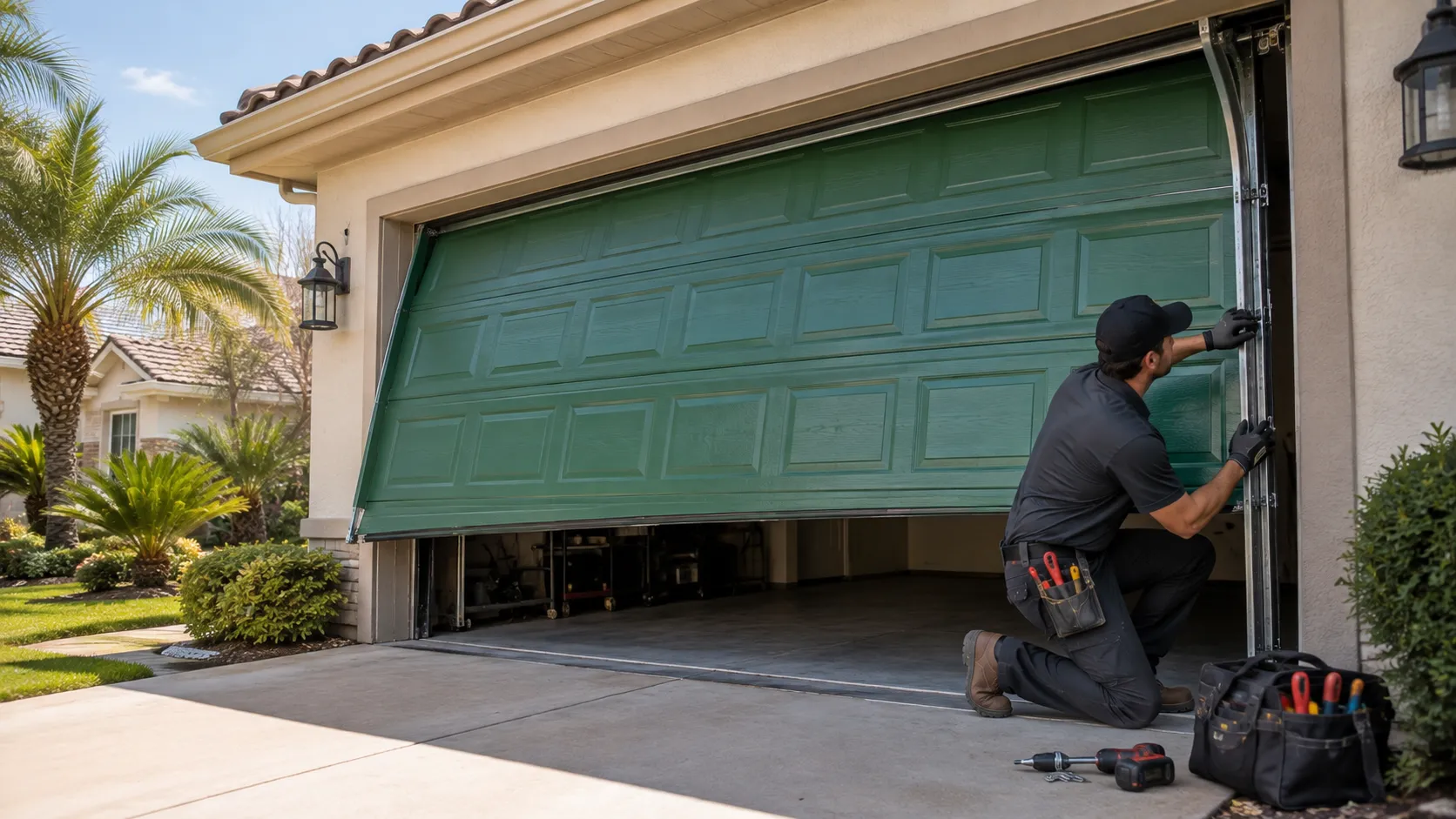
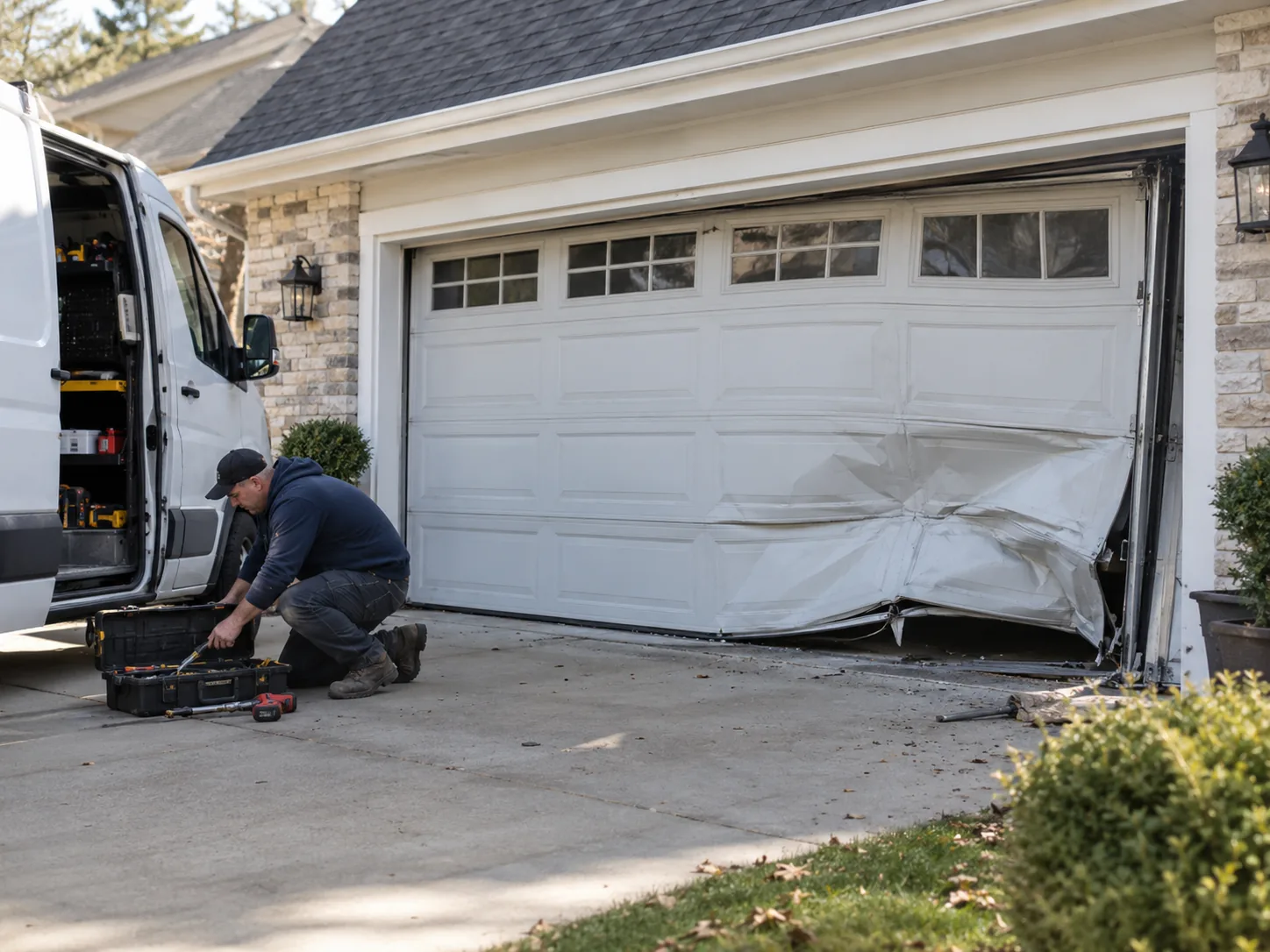
A worn roller on its own is a simple swap. The complication shows up when the roller has been bad long enough to chew up the track - you'll see flat spots or shiny grooves on the inside rail where a stiff roller has been forcing its way through instead of rolling.
On a 1985-era door that's never had track work, that section often needs straightening or replacing along with the roller, not just a part swap. The other complication is matching hardware.
Doors from that build era sometimes used roller stems and hinge combinations that newer big-box replacement kits don't fit cleanly - the stem length or the hinge hole spacing is off by enough to matter.
We carry stock that covers most of what we see across the area, but on an older door we don't recognize on sight, we tell you that up front rather than force a part that's close enough.
DIY or pro
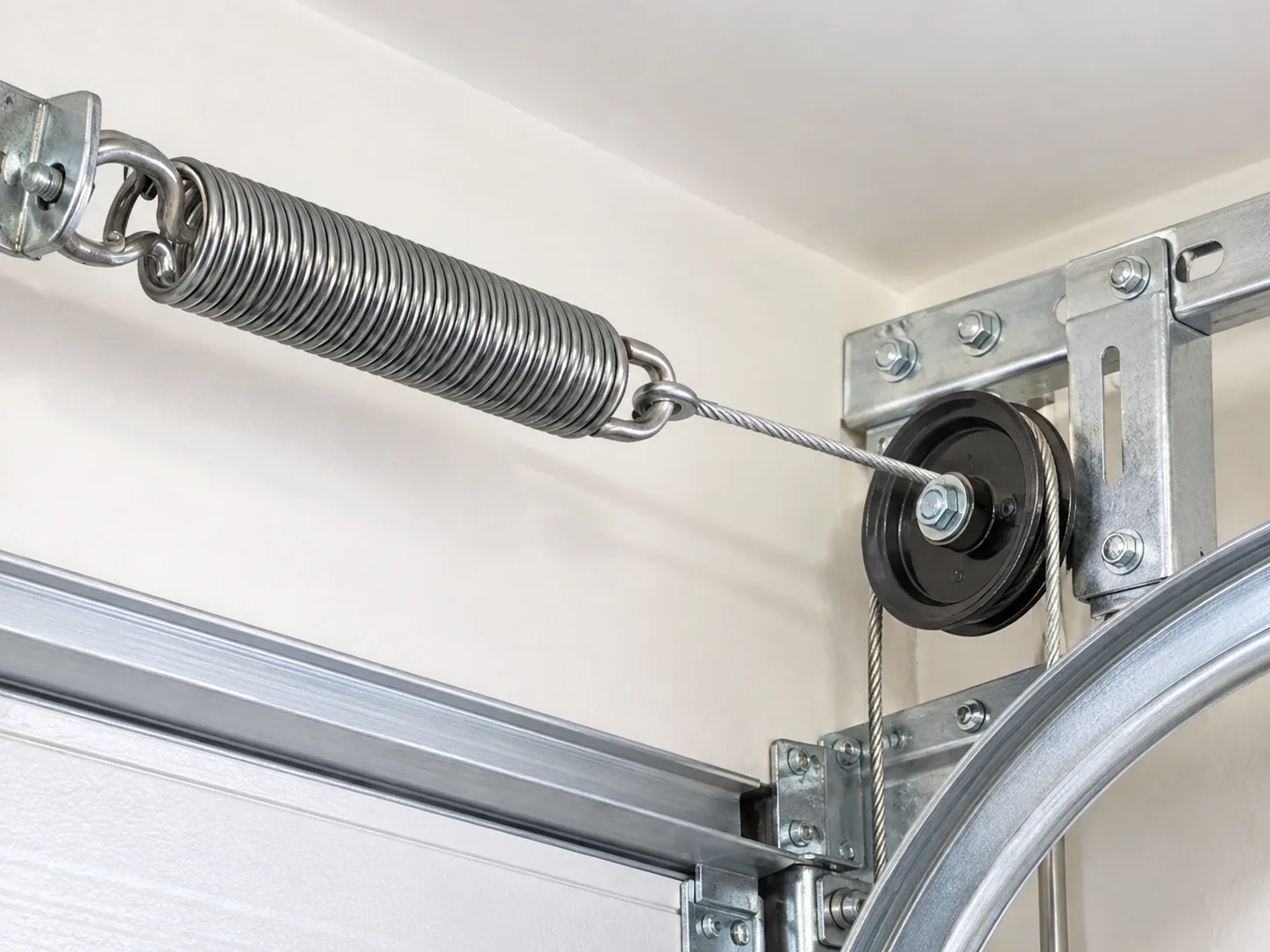
Replacing a single roller on the bottom section of the door, with the door down and the spring not under active load, is a job a lot of owners can handle with the right pliers and a little patience. The rollers near the top of the track, close to where the cable and spring assembly sit, are a different story - you're working near tension you can't see and shouldn't guess at.
Our honest limit here: we don't walk people through spring-adjacent roller jobs over the phone, and we won't send a tech out for a same-day fix on a single bottom roller if you're comfortable doing it yourself - it's not worth the trip charge for either of us. Where we're useful is the full-track roller set, the bent rail, or anything within a foot of the torsion spring.

The repair
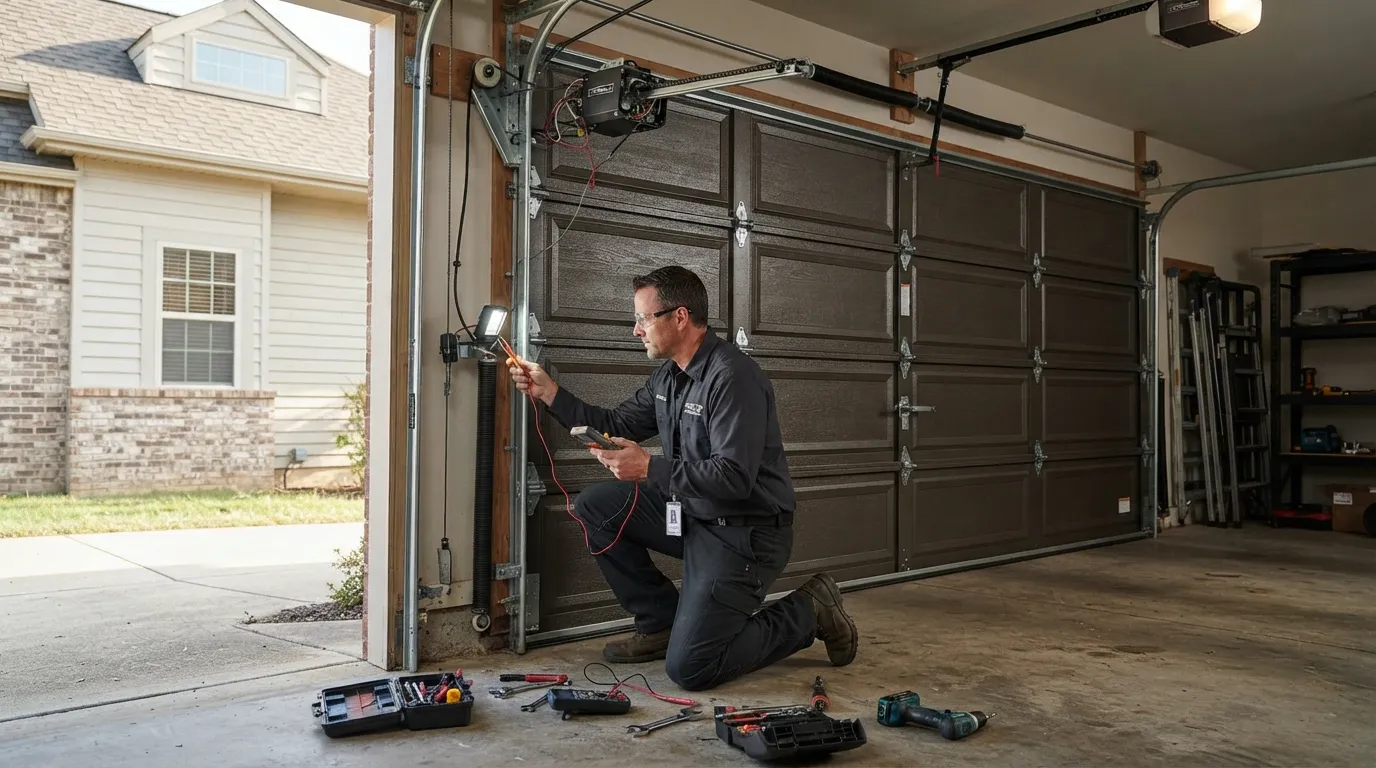
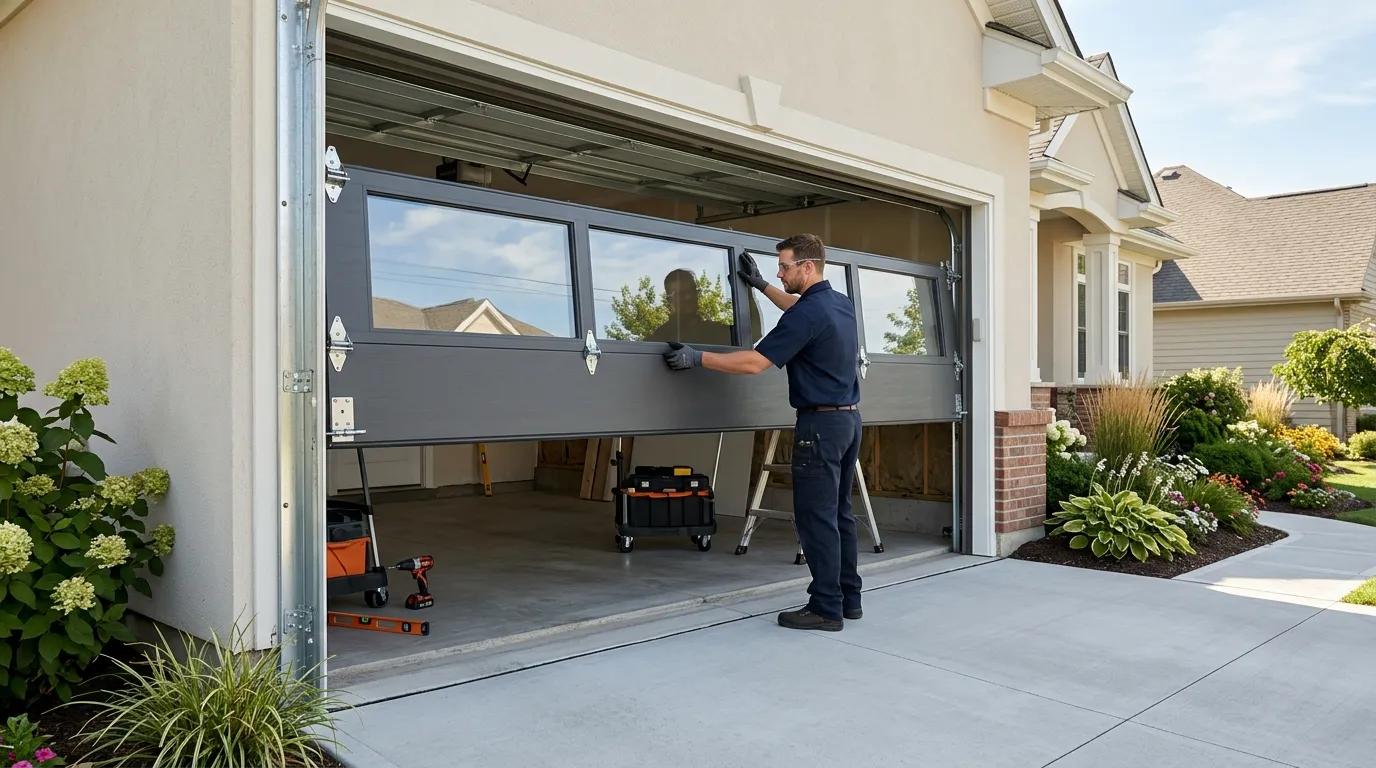
A full roller replacement means pulling the door down, releasing tension safely, and swapping every roller on both tracks - doing one side and not the other just moves the wear problem to the side you skipped. If the track shows the grooving from a bad roller running too long, we true it up or replace the damaged section before the new rollers go in, since a straight track is half of why the new hardware will last.
We use sealed-bearing steel rollers as the standard replacement on jobs out this way, given how many doors here have already been upgraded once - no point stepping backward to nylon on a door that's earning its keep. The whole job, tracks included, is usually done in one visit from our Ashburn shop, 9 miles in.
Questions
Homes here have a median build year of 1985, and original rollers from that era were often nylon-sleeved steel. Combined with cold-severe winters cycling the door daily, that sleeve wears out well before the rest of the hardware - often the first real repair a mid-80s door needs.
We run out of our Ashburn shop, about 9 miles from Great Falls, and stock rollers for what we typically see across the service area. On older or uncommon hardware we confirm the fit before the visit rather than guess on-site.
You can, and for a single bottom roller that's often the right call. But if one roller failed from age, the others on that door are close behind - we'll tell you honestly whether a spot fix or a full set makes more sense for your door's age.
No, but on a door that's run a worn roller for a while, the track often shows grooving or flat spots where it's had to fight the bad roller. We check the track every time and only touch it if it's actually damaged.
Explore more
Ready when you are
Ashburn Garage Door Pros repairs and installs garage doors, springs and openers in Ashburn, VA and the surrounding area.