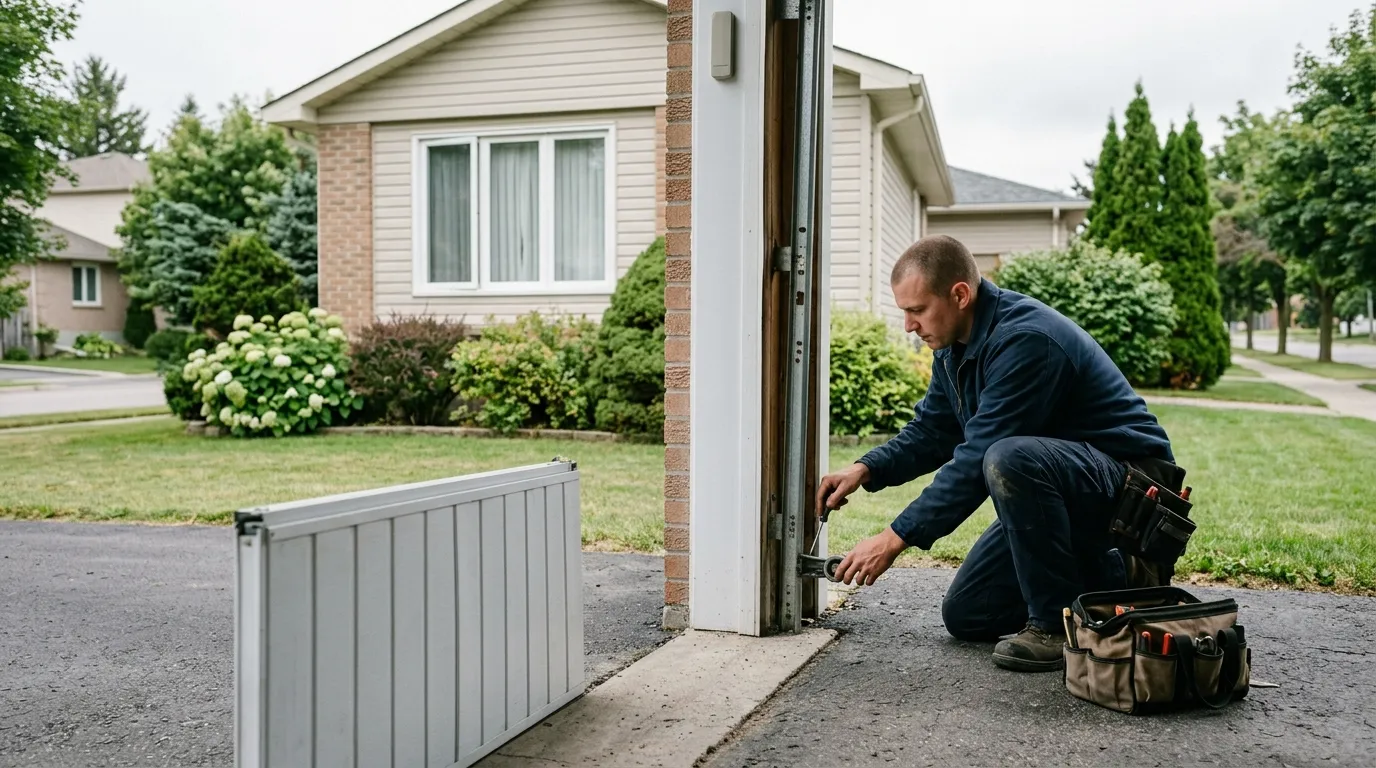
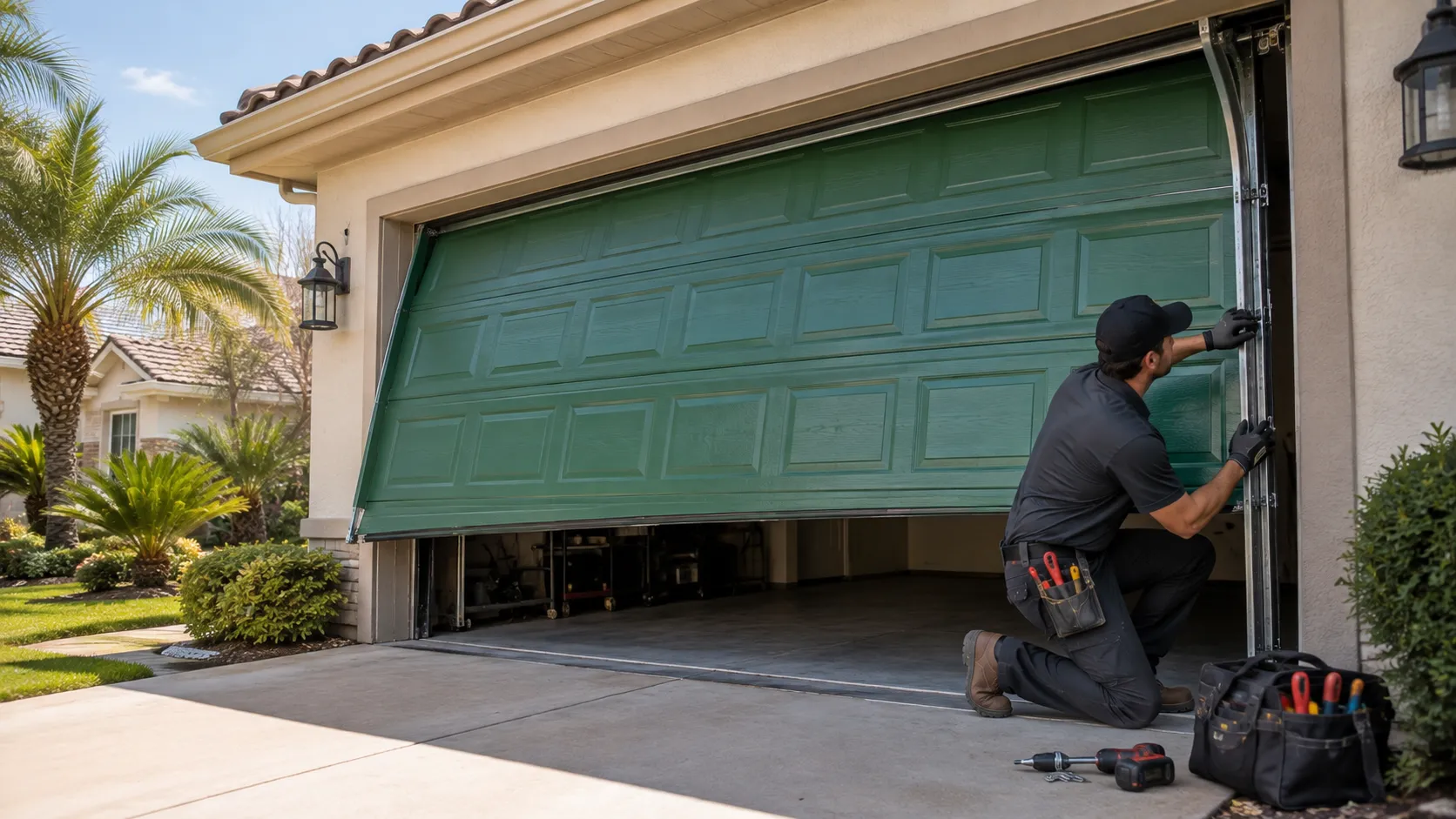
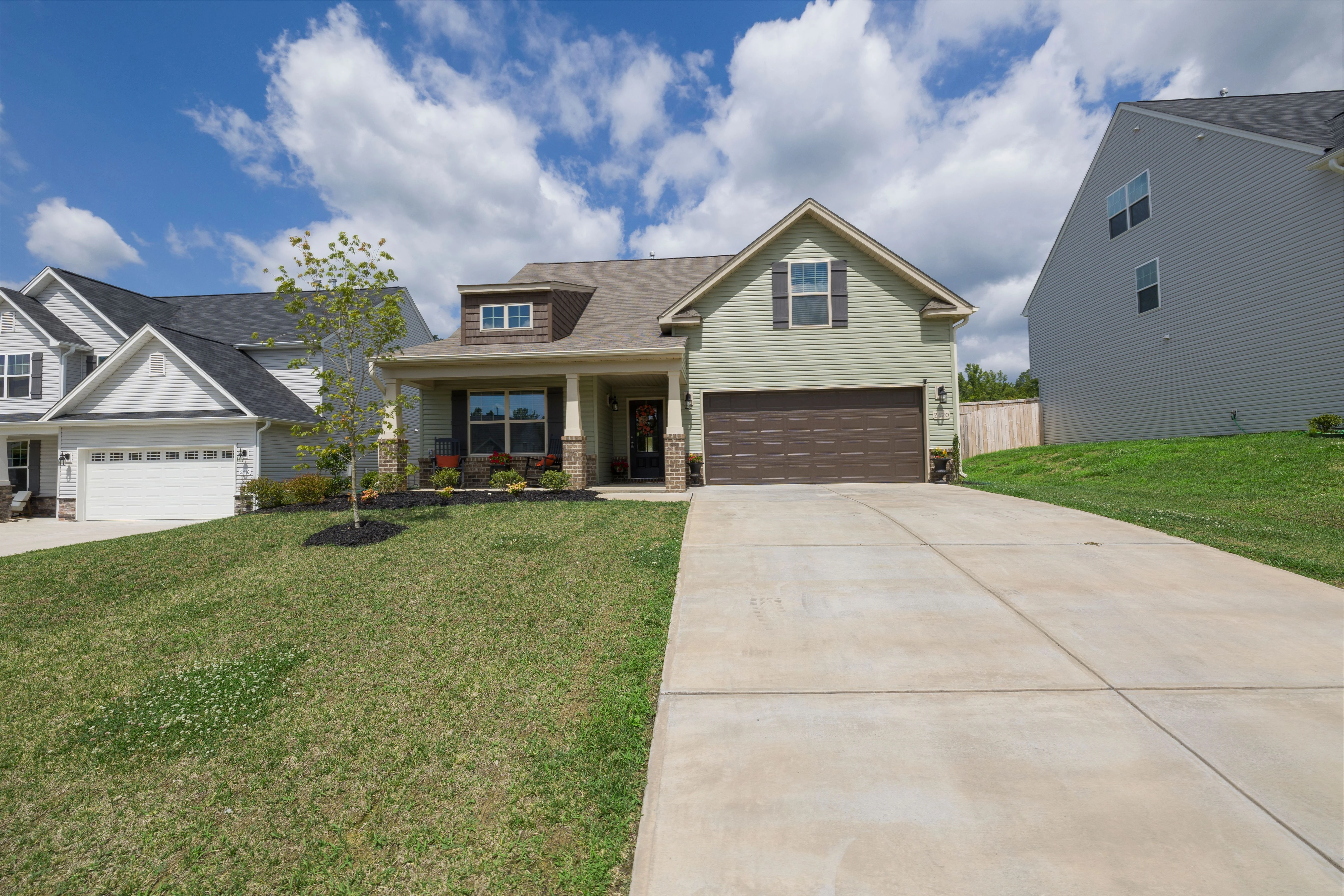
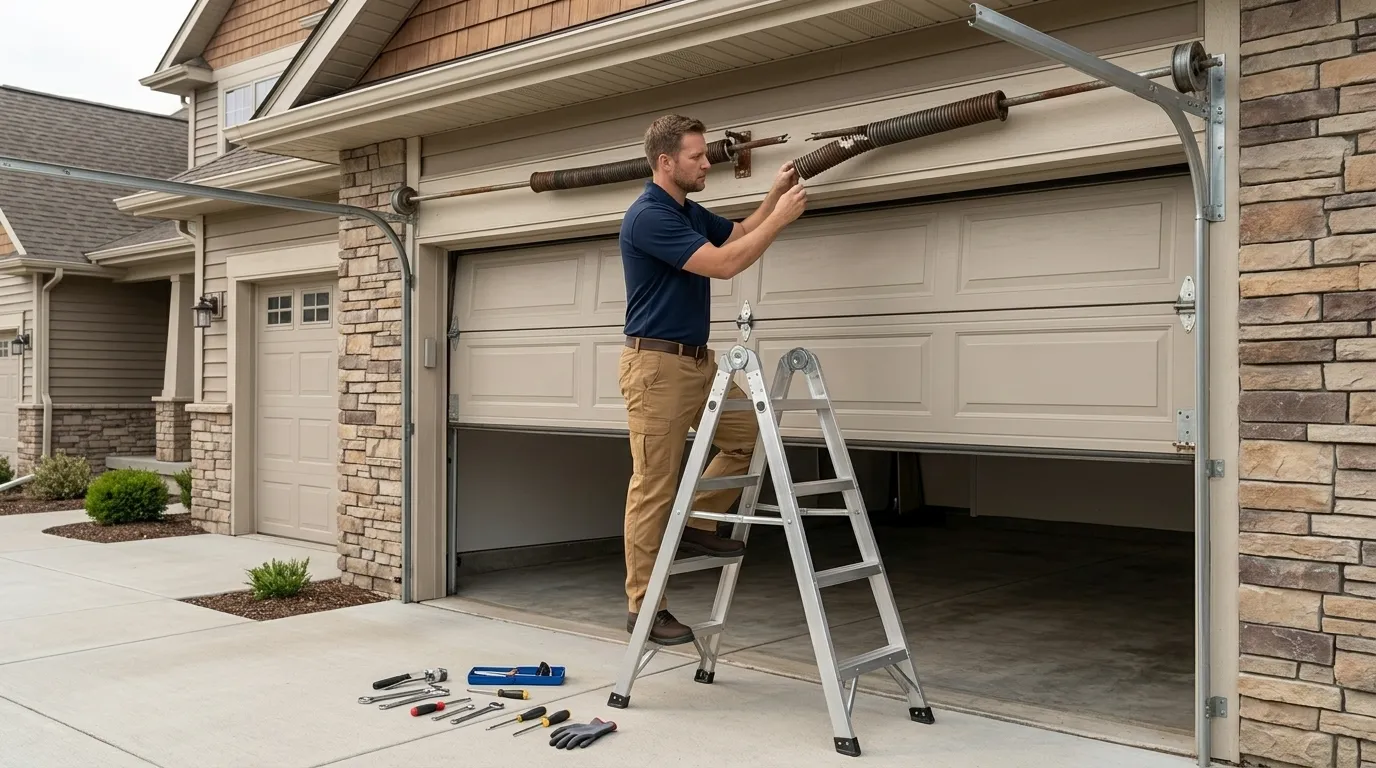
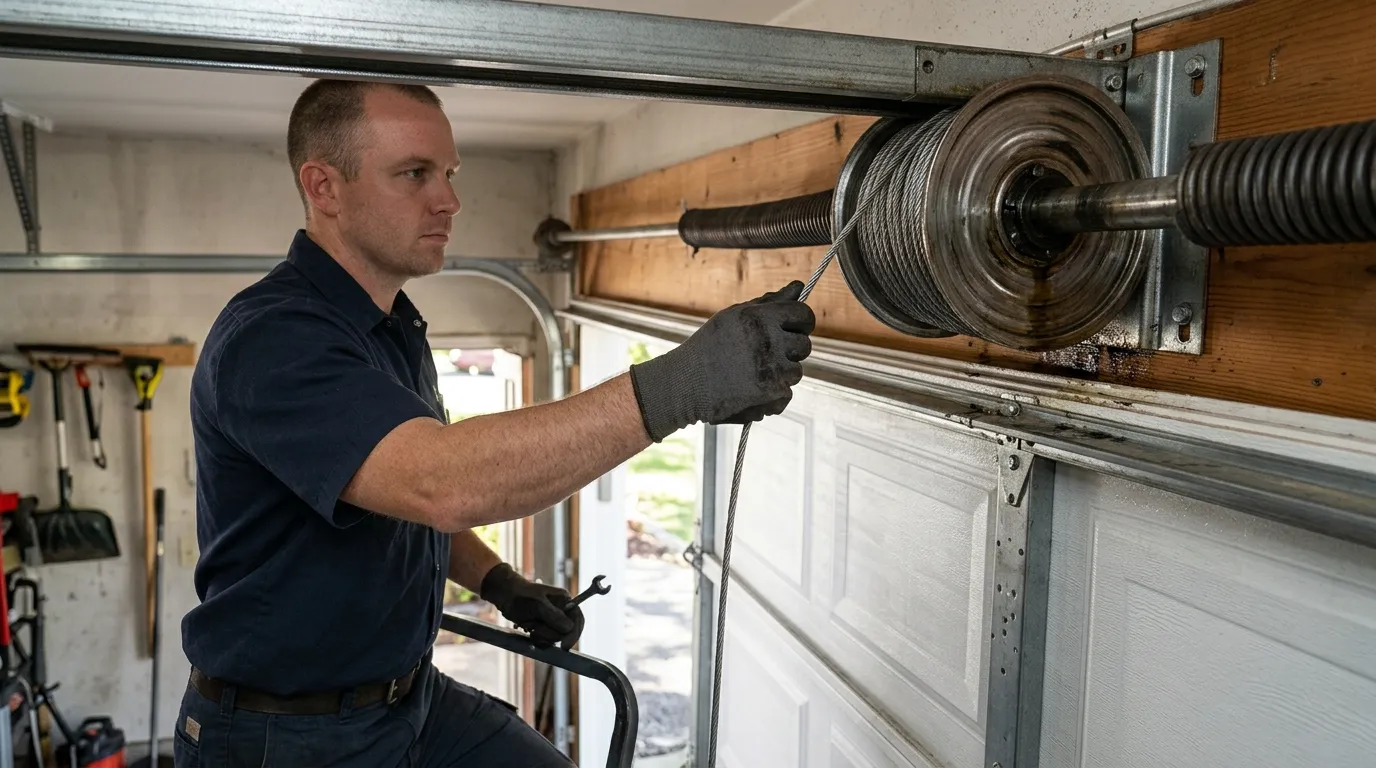
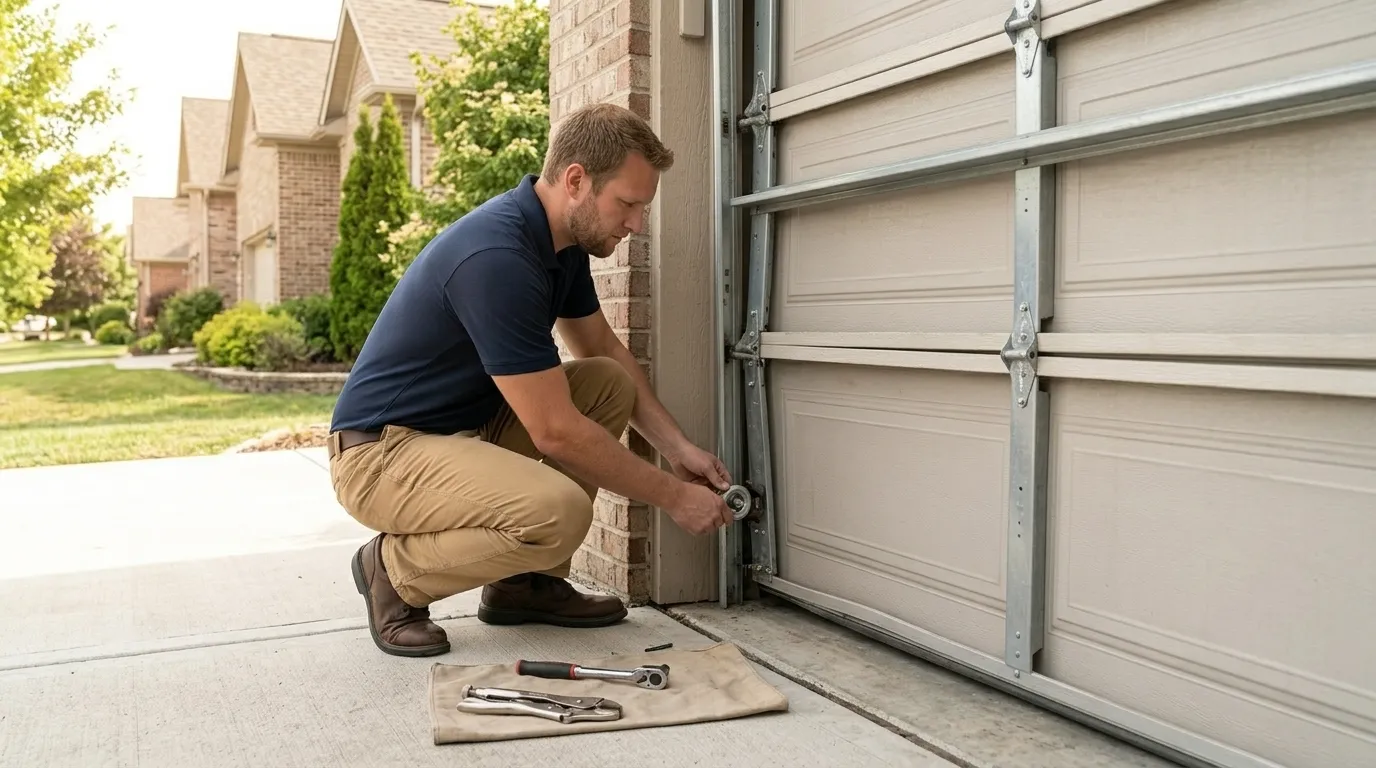
The short version is that a big share of the doors we touch were installed when the house was built, and most of these houses are 1980s and 90s construction, with the service area's median build year sitting at 1982. That means a lot of original torsion hardware, first-generation openers, and steel track that's now three to four decades old, all reaching the end of its working life around the same calendar years - which is why slow weeks turn into busy ones fast once the cold sets in.
Ashburn sits in a climate band the federal data marks as cold with severe winter swings, and that's the second half of the story. Steel contracts in the cold, lubricant thickens, and a spring that's been slowly losing temper for twenty years finally lets go on the day the temperature drops hard. With 52,770 owner-occupied houses across 147,261 households in this service area, and a median household income of $154,734, we see a lot of homeowners who'd rather fix the original hardware properly than replace a door that's otherwise sound - and often that's the right call.