
9-mile distance scheduling impact
That's not a knock on the town, it's just math, and it's part of why we schedule this work as a planned trip from Ashburn, nine miles out, rather than a same-morning walk-in. The other complication is mismatch.
Great Falls, Ashburn
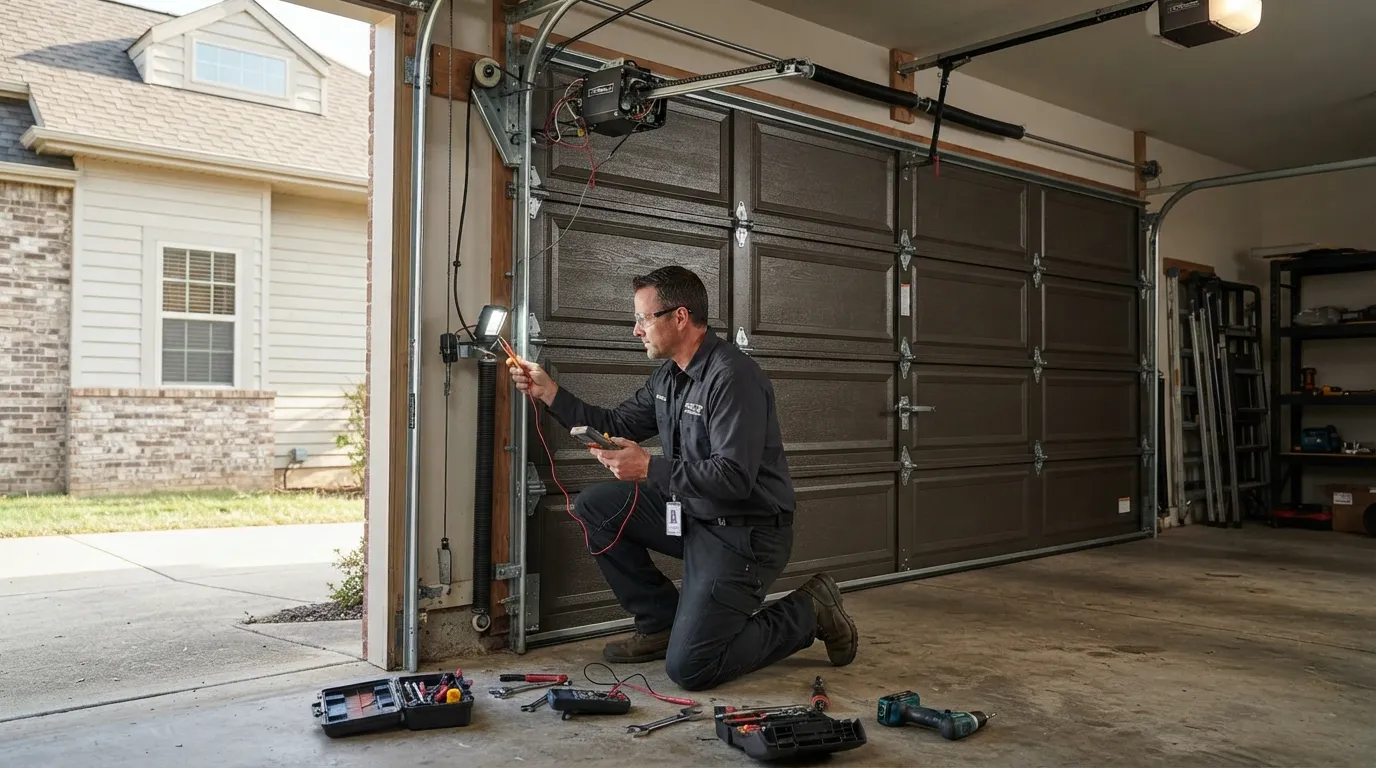
In Great Falls, where median household income tops $250,000, the opener call often comes down to replace, not patch. We install from Ashburn, 9 miles out.
Local causes
The number that shapes most opener calls in Great Falls isn't the weather, it's the income. Median household income here runs past $250,001, well above the $154,734 median across the wider service area we cover from Ashburn. That gap matters because it changes the math homeowners run when an opener starts grinding or the remote stops working reliably: at this income level, most people don't want a third patch job on a unit that's already fifteen years past its warranty. They want it done once, with a belt-drive unit rated for another two decades, not a chain-drive replacement of the same part that just failed.
The housing stock plays into this too. Most homes in this pocket of Great Falls went up around 1985, which puts a lot of original or first-replacement openers well past the 10-15 year service life most manufacturers build for. A unit installed when the house was new, or even one swapped in during a 2000s remodel, is old enough now that the gears are worn, the circuit boards are outdated, and parts for that exact model may not exist anymore. That's the actual cause behind most calls: not a single failure, but a motor that's simply run out of miles.
Watch-outs
Households in this stretch of Great Falls number only 4,970, a small enough base that opener jobs here don't follow a predictable weekly pattern the way they might in a denser suburb.
That's not a knock on the town, it's just math, and it's part of why we schedule this work as a planned trip from Ashburn, nine miles out, rather than a same-morning walk-in. The other complication is mismatch.
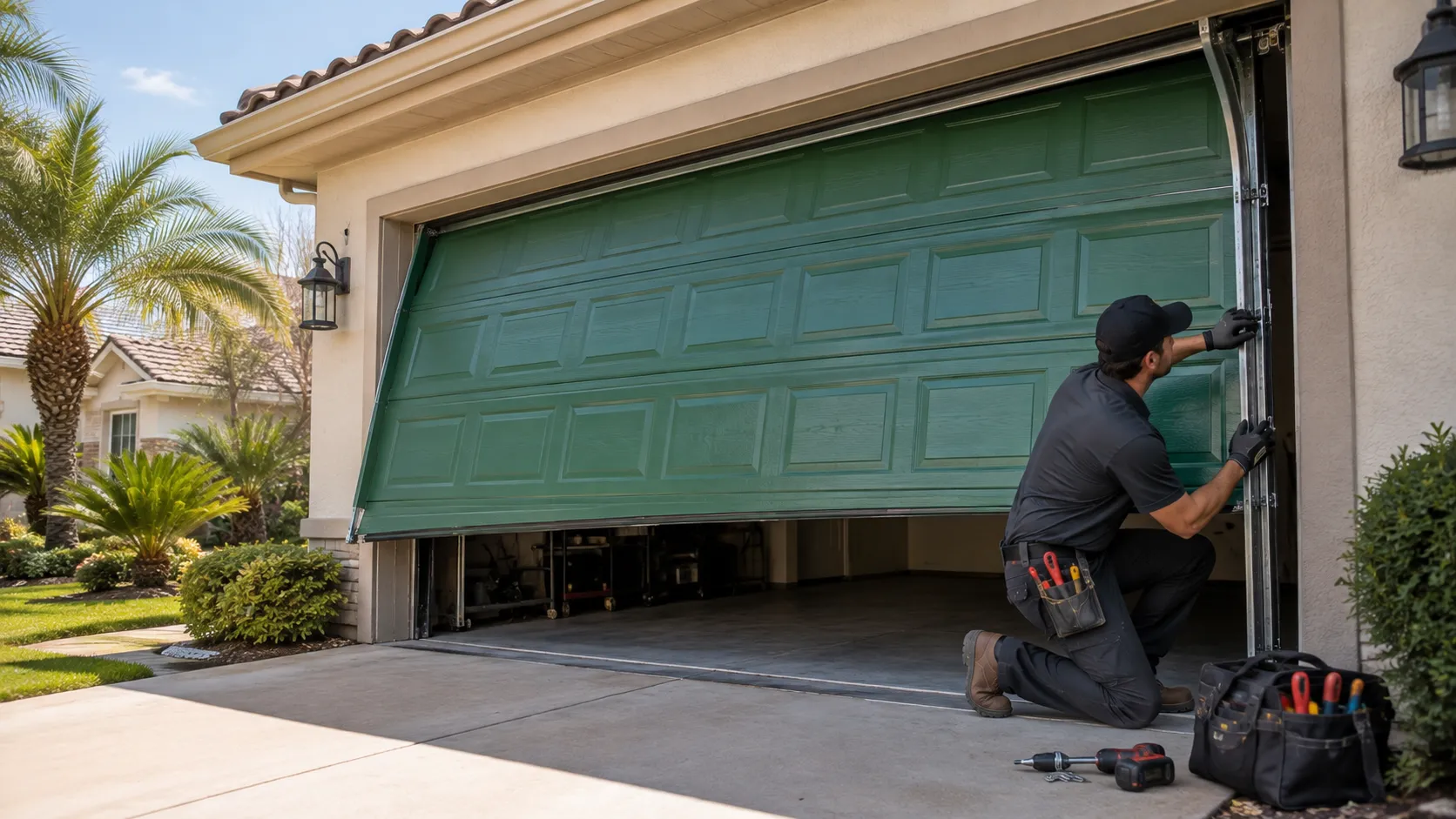
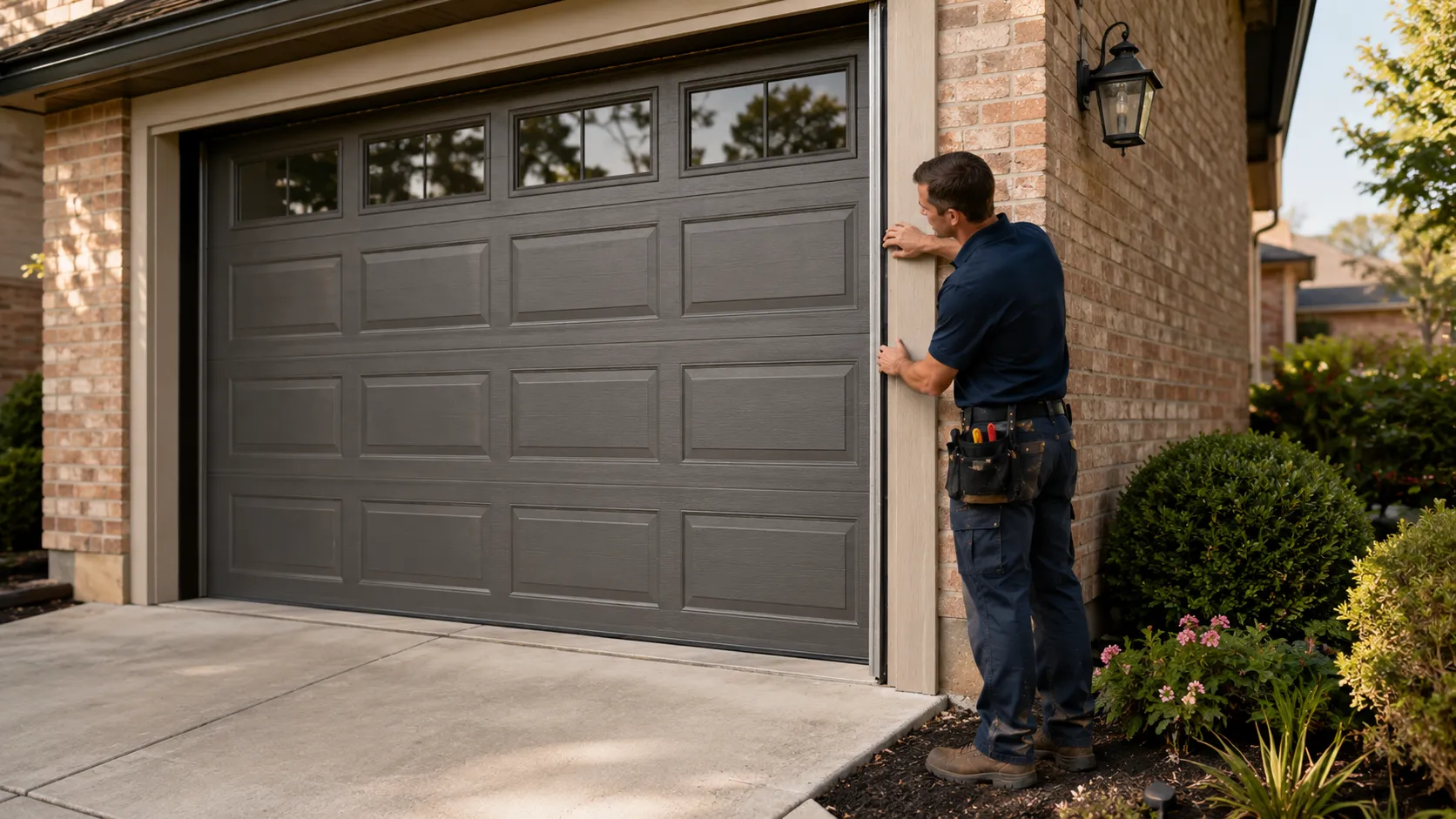
A house built around 1985 often has door hardware - track spacing, header clearance, spring type - that was never designed with today's opener mounting brackets in mind. Swapping in a modern opener sometimes means adapting the mounting plate or reinforcing the header before the unit goes up, especially on older sectional doors that were never retrofitted when opener technology changed in the 1990s and 2000s.
Skipping that step is how you end up with an opener that runs but shakes the door on every cycle, or one whose travel limits never quite settle right. We check the header and track before we quote the job, not after we've already ordered the unit.
DIY or pro
A straightforward swap - same mounting points, same door weight, no header work needed - is within reach for a homeowner comfortable with a drill and a ladder.
The instructions that ship with most residential openers are decent, and the wiring for a basic unit isn't complicated. Where it stops being a weekend project is anywhere the safety sensors, the spring tension, or the header bracket are involved.
Misaligned photo-eye sensors are a common DIY miss, and they're a safety feature, not a convenience one - a door that doesn't reverse when it should is a real hazard, not a minor inconvenience.
Given how many houses in this area are original construction from the mid-80s, the header and track condition is often the deciding factor, and that's not something you can judge from the opener box's instruction sheet. Our honest limitation here: we don't do quick phone quotes for header modification work sight unseen, because on houses this age it genuinely varies house to house. We need to look at it first.
The repair
We start by matching the opener to the door, not the other way around. On a house from the 1985 era, that usually means checking whether the existing track and header can take a standard mounting bracket or need reinforcement first.
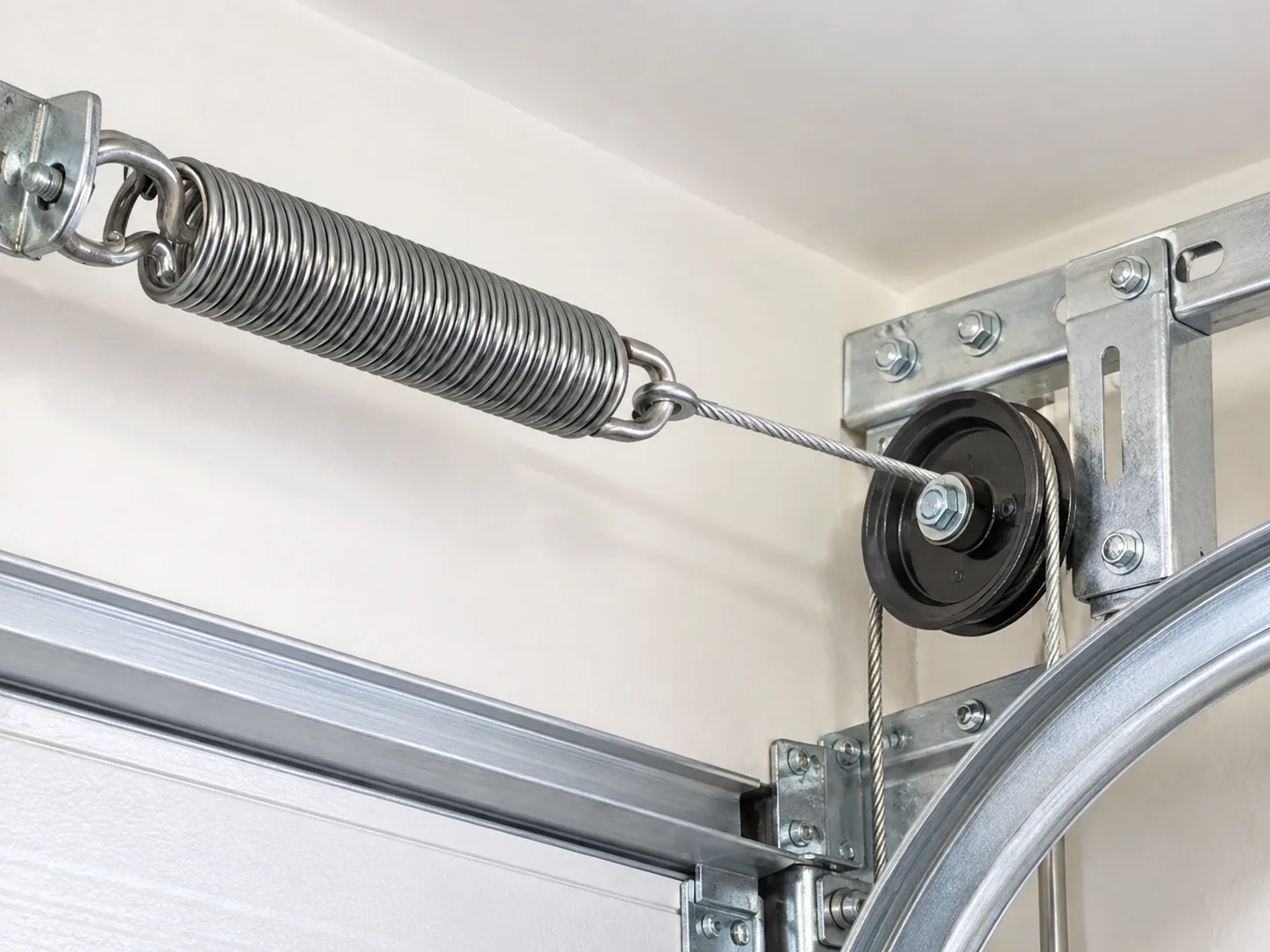
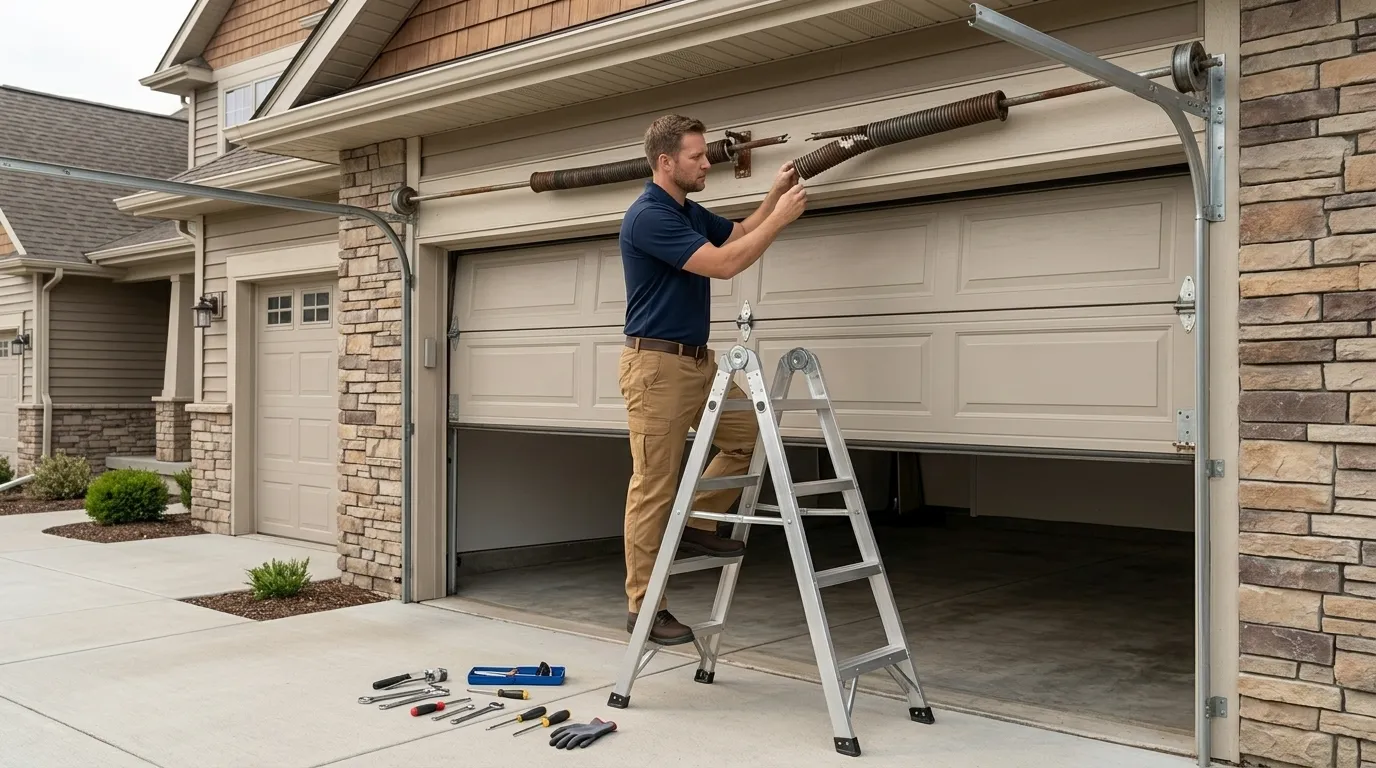
If the door itself is original, we also check spring tension before the opener goes anywhere near it, since an opener fighting an underpowered spring will burn out early regardless of how good the unit is.
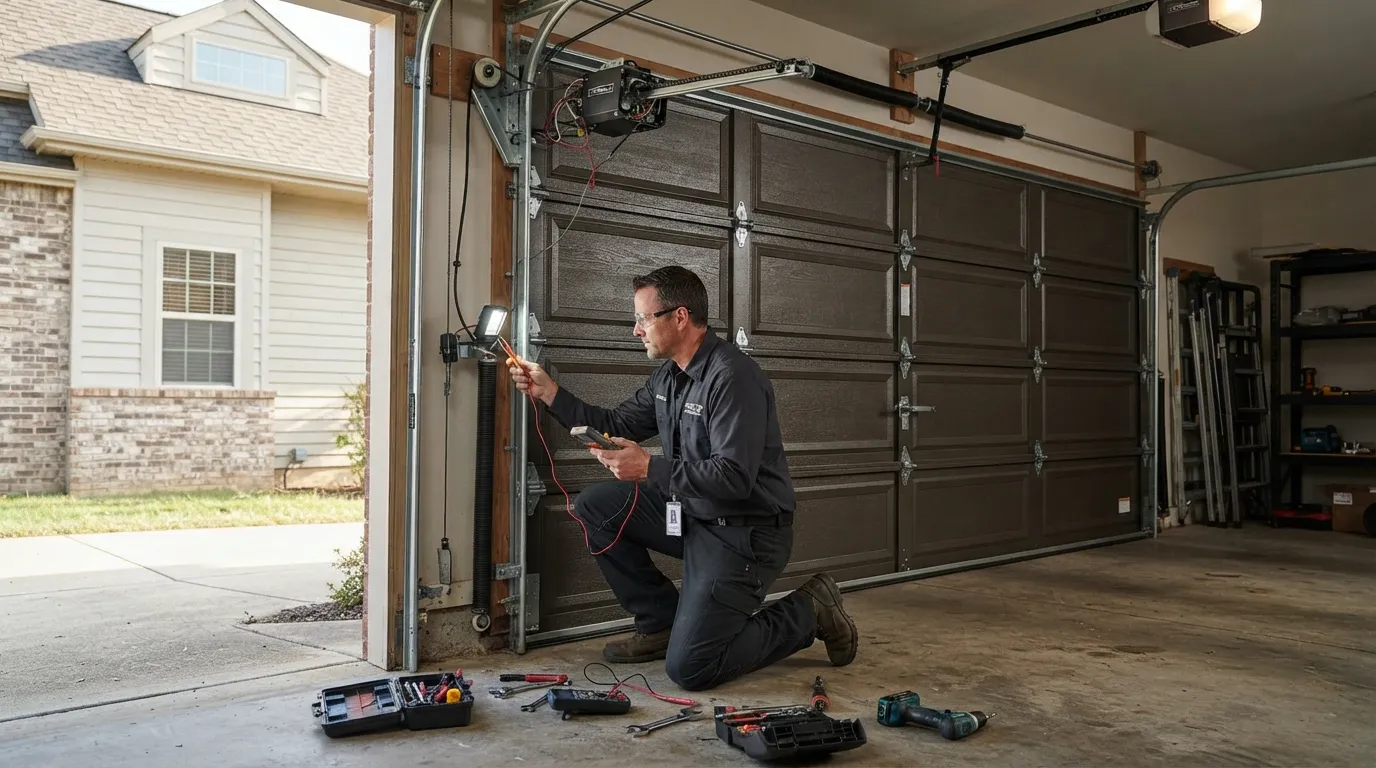
From there it's a standard install: mounting the rail and head unit, wiring the wall control and safety sensors, setting travel limits, and testing the auto-reverse function, which is a non-negotiable safety check on every job we run.
For homes at the income and price point common in Great Falls, we typically install belt-drive units - quieter, and built for a longer service life than the base chain-drive models. We finish by walking the homeowner through the smart features if the unit has them, since most people buying at this level want the app control set up correctly the first time, not left on default.
Questions
If the opener is original to a house built around 1985, or it's had more than one repair already, replacement almost always wins on cost per year of service. Given the income and home values common in this part of Great Falls, most owners we work with choose a belt-drive replacement over a second repair on an old chain-drive unit.
No. We're based in Ashburn and drive out to Great Falls, about nine miles, for scheduled installs. We don't keep a depot or same-morning crew local to Great Falls, so opener jobs here are booked appointments rather than walk-in service.
Often yes, but not always without adjustment. Header clearance and track spacing on houses from that era sometimes need a modified mounting bracket before a modern opener will sit right. We check this before quoting rather than assuming a standard install will fit.
A basic swap on unmodified hardware is doable for a confident DIYer. Where we'd push back is on safety sensor alignment and any header reinforcement - both are common on original 1980s construction, and getting them wrong creates a real safety issue, not just a cosmetic one.
Explore more
Ready when you are
Ashburn Garage Door Pros repairs and installs garage doors, springs and openers in Ashburn, VA and the surrounding area.